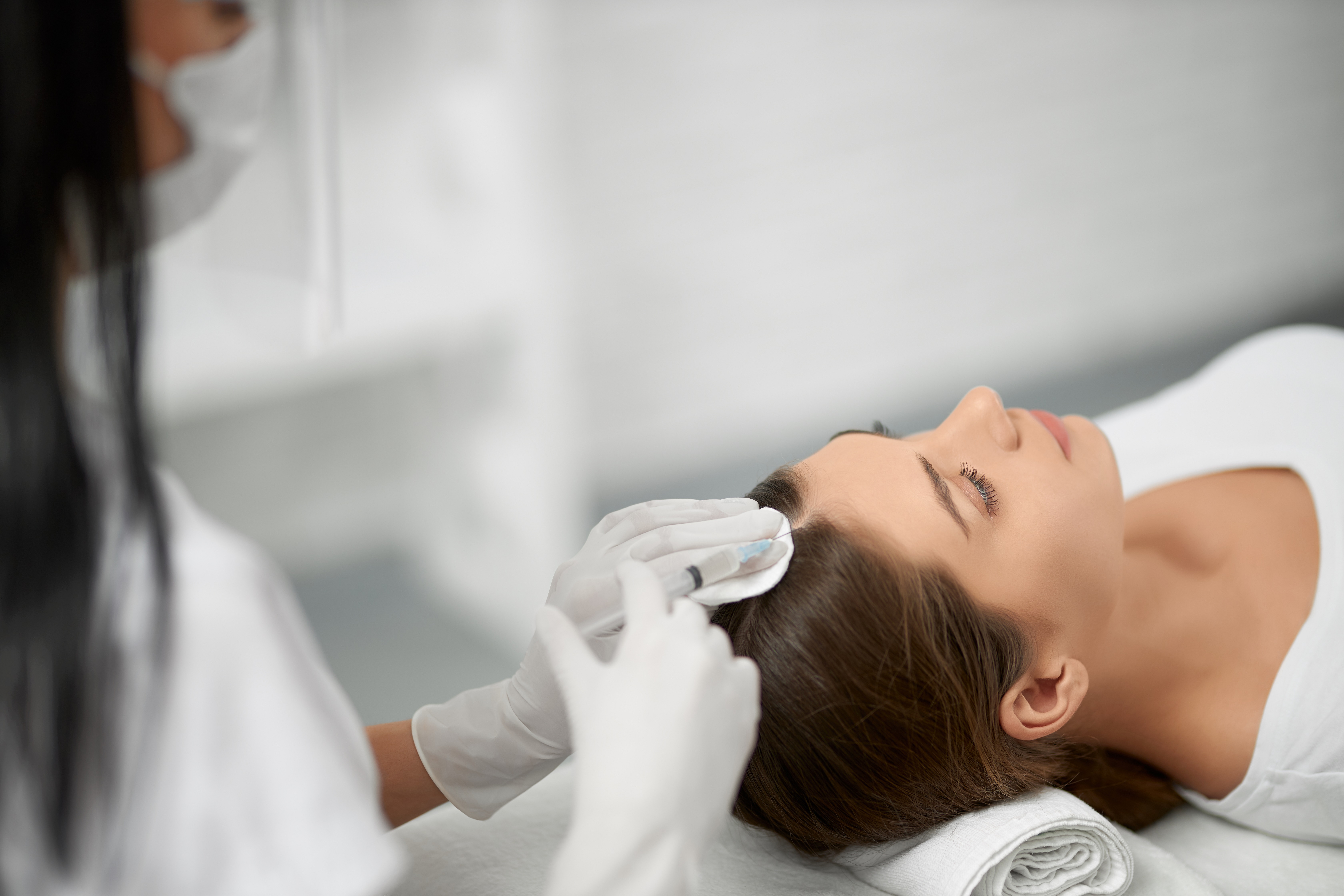
Hair loss is a deeply personal concern — one that affects confidence, identity, and quality of life for millions of people in Chandigarh and across India. Whether you're noticing increased hair fall in the shower, a receding hairline, or visible thinning at the crown, understanding the cause is the first and most important step toward effective treatment.
This comprehensive guide by Dr. Sukhmani Brar Jugpal, MD Dermatology at Dermessence Clinic, Sector 16D Chandigarh, covers the root causes of hair loss, the full spectrum of treatment options available, and how to choose the right approach for your specific type of hair loss.
The Scale of the Problem: Hair Loss in Chandigarh
Hair loss affects approximately 50% of men and 25% of women in India at some point in their lives. In Chandigarh's working population, stress, nutritional deficiencies (despite good food access), water quality, pollution, and hormonal disorders compound the problem significantly. Our clinic sees a sharp rise in hair loss consultations each year — from teenagers with alopecia areata to professionals with androgenetic hair loss and postpartum women with telogen effluvium.
Normal vs Abnormal Hair Loss
The average person sheds 50–100 hairs per day — this is completely normal. Hair follows a natural growth cycle:
- Anagen (Growth Phase): 2–7 years — about 85–90% of hairs at any time
- Catagen (Transition Phase): 2–3 weeks — hair follicle shrinks
- Telogen (Resting Phase): 3 months — hair sheds at the end of this phase
Abnormal hair loss is when this cycle is disrupted — either too many hairs enter the telogen (shedding) phase simultaneously, or the anagen phase shortens progressively, producing thinner, shorter hairs with each cycle.
See a dermatologist if: you're losing more than 150 hairs per day consistently, noticing a visibly thinning scalp, finding significant hair on pillow or clothes, or if your hairline is receding.
Causes of Hair Loss — A Dermatologist's Complete Classification
1. Androgenetic Alopecia (Male / Female Pattern Hair Loss)
The most common cause — affecting 50% of men by age 50 and 25% of women by age 50. Driven by genetics + DHT (dihydrotestosterone) — a hormone derived from testosterone that shrinks hair follicles progressively. In men: classic M-shaped receding hairline + crown thinning. In women: diffuse thinning on the top/crown, with the hairline usually preserved.
2. Telogen Effluvium
A sudden, widespread hair shedding triggered by a "shock" to the system — typically occurring 2–4 months after the trigger event. Common triggers in Chandigarh:
- Post-COVID illness (COVID hair loss is extremely common)
- Major surgery or hospitalisation
- Pregnancy and postpartum (very common — 40–50% of new mothers experience significant hair loss 3–6 months after delivery)
- Crash dieting or sudden weight loss
- Severe psychological stress (exams, job loss, bereavement)
- Thyroid disease (hypothyroidism is very common in Chandigarh women)
- Iron deficiency anaemia
3. Alopecia Areata
An autoimmune condition where the immune system mistakenly attacks hair follicles — causing round, smooth patches of hair loss on the scalp or beard. Can progress to complete scalp (alopecia totalis) or full body (alopecia universalis) hair loss. Requires specific dermatological treatment — immunomodulatory injections and topical immunotherapy.
4. Nutritional Deficiency Hair Loss
Despite eating well, nutritional deficiencies are extremely common in Chandigarh's vegetarian population:
- Iron deficiency — the most common cause of diffuse hair loss in women
- Vitamin D deficiency — affects hair follicle cycling (>90% of Indians are deficient)
- Zinc deficiency — contributes to hair shedding and poor growth
- Biotin deficiency — true deficiency is rare but often blamed
- Protein malnutrition — hair is 95% keratin protein; inadequate protein intake directly impairs hair growth
5. Scalp Conditions
Conditions affecting the scalp can damage follicles and cause hair loss:
- Seborrheic dermatitis (severe dandruff)
- Fungal scalp infections (tinea capitis) — especially in children
- Psoriasis of the scalp
- Folliculitis (bacterial infection of follicles)
6. Hormonal Hair Loss (PCOS, Thyroid)
PCOS causes elevated androgens which trigger female pattern hair loss + body hair growth simultaneously. Hypothyroidism causes diffuse hair loss, dull hair, and eyebrow thinning. Blood tests are essential for diagnosis.
7. Traction Alopecia
Hair loss caused by chronic tension on hair follicles — from tight hairstyles (braids, ponytails, buns). Common in women and girls who consistently wear tight hair styles. If caught early, it is reversible; if chronic, follicle damage becomes permanent.
Hair Loss Diagnosis: What Tests Are Needed?
At Dermessence, we conduct a thorough hair loss evaluation:
- Trichoscopy (Dermatoscopy of scalp): Digital magnification examination of follicle density, miniaturisation, scalp condition
- Hair Pull Test: Quantifies active shedding
- Blood Tests: CBC, serum ferritin, thyroid profile (TSH, T3, T4), vitamin D3, zinc, testosterone, DHEA-S (for PCOS), fasting insulin
- Scalp Biopsy: Rarely needed but can confirm diagnosis in complex cases
Hair Loss Treatment Options at Dermessence Chandigarh
1. GFC (Growth Factor Concentrate) Hair Treatment
GFC is the most advanced, evidence-based hair restoration injection therapy available at Dermessence. Unlike older PRP (platelet-rich plasma) methods, GFC concentrates growth factors at 5–10x higher concentration and delivers them without the red blood cells that cause pain and inflammation.
How it works:
- A small amount of your blood is drawn
- Processed using a specialised closed kit to extract pure growth factors (PDGF, VEGF, EGF, IGF)
- The GFC concentrate is injected across the scalp in a painless, systematic pattern
- Growth factors activate dormant follicles, thicken miniaturised hairs, and improve scalp blood supply
Results: Visible improvement in hair thickness and reduction in shedding typically seen from session 3–4. Protocol: 4–6 sessions monthly, then quarterly maintenance.
Cost: ₹5,000–₹8,000 per session at Dermessence.
2. Mesotherapy for Hair
Cocktail injections of vitamins, minerals (biotin, zinc, vitamin B complex), growth factors, and DHT-blockers directly into the scalp. Improves follicle health and scalp circulation. Less powerful than GFC but cost-effective and suitable for mild to moderate hair loss.
3. Low-Level Laser Therapy (LLLT)
Low-powered laser light stimulates mitochondrial activity in hair follicles, improving energy production and promoting anagen phase. Available as in-clinic sessions or take-home laser caps. FDA-approved for androgenetic alopecia.
4. Topical and Oral Medications
- Minoxidil (Topical 2–5%) — FDA-approved for both men and women. Extends anagen phase and promotes follicle activity. Takes 4–6 months to show results. Must be used continuously.
- Finasteride / Dutasteride — oral DHT-blockers for male pattern hair loss. Highly effective but require long-term use and monitoring. Not for women of childbearing age.
- Spironolactone — for women with hormonal/PCOS-related hair loss. Reduces androgen effect on follicles.
- Nutritional Supplements: Iron, vitamin D, zinc, biotin (when deficiency confirmed by blood test)
Who is suitable: Stable hair loss, adequate donor density, realistic expectations, non-smoker, age 25+.
Cost: ₹35,000–₹1,20,000 depending on the number of grafts.
6. Alopecia Areata-Specific Treatments
- Intralesional corticosteroid injections — into the bald patches every 4–6 weeks
- Topical immunotherapy (DPCP) — for extensive disease
- JAK inhibitors (Baricitinib, Tofacitinib) — newer systemic treatments approved for severe alopecia areata
- Oral minoxidil (low-dose)
Hair Loss Treatment Cost in Chandigarh
| Treatment | Cost | Best For |
|---|---|---|
| GFC Hair Treatment | ₹5,000–₹8,000/session | Androgenetic, telogen effluvium |
| Mesotherapy | ₹2,500–₹5,000/session | Nutritional, mild patterned |
| Minoxidil + Nutritional Rx | ₹800–₹2,000/month | Mild-moderate patterned |
| Alopecia Areata Injections | ₹1,500–₹3,000/session | Patchy alopecia areata |
Lifestyle Factors That Worsen Hair Loss
- Hard water: Chandigarh's tap water has high mineral content (calcium, magnesium) which can build up on the scalp, cause itching, and worsen hair fall. Use a chelating shampoo monthly or install a water softener for the shower.
- Smoking: Reduces scalp blood flow by constricting blood vessels — directly accelerates androgenetic hair loss.
- Stress: Chronic stress elevates cortisol which disrupts hair follicle cycling. Meditation, exercise, and adequate sleep significantly help.
- Crash diets: Very low calorie diets (below 1000 kcal/day) trigger telogen effluvium within 2–3 months. Sustained, balanced nutrition is essential for hair health.
- Over-styling: Excessive heat from blow-dryers, straighteners, and curling irons damages hair protein, causing breakage. Use heat protectant and minimise heat.
Hair Care Routine for Hair Loss Prevention
Scalp Routine
- Wash hair every 2–3 days with a scalp-specific shampoo (ketoconazole if dandruff, salicylic acid if psoriasis, caffeine-based if thinning)
- Scalp massage 5 minutes daily with fingertips — stimulates blood flow to follicles
- Avoid tight hairstyles — ponytails, buns, braids put chronic traction on follicles
- Use a satin/silk pillowcase — cotton causes more friction and hair breakage overnight
Nutrition for Hair Growth
- Protein: 0.8–1g per kg body weight daily (eggs, paneer, lentils, chicken, fish)
- Iron: Green leafy vegetables + vitamin C to enhance absorption. Avoid tea/coffee with iron-rich meals.
- Vitamin D: Sun exposure 20–30 minutes daily on arms/legs + supplementation if deficient
- Omega-3: Walnuts, flaxseeds, fish — reduce scalp inflammation
- Zinc: Pumpkin seeds, chickpeas, dairy
Related Articles:
→ Hair Regrowth Treatment Chandigarh
→ Scalp Treatment Chandigarh
→ Best Clinic for Hair Loss Chandigarh
Book a Consultation Today
Get expert dermatology care at Chandigarh's most-trusted skin clinic.
📞 +91-99159-30506