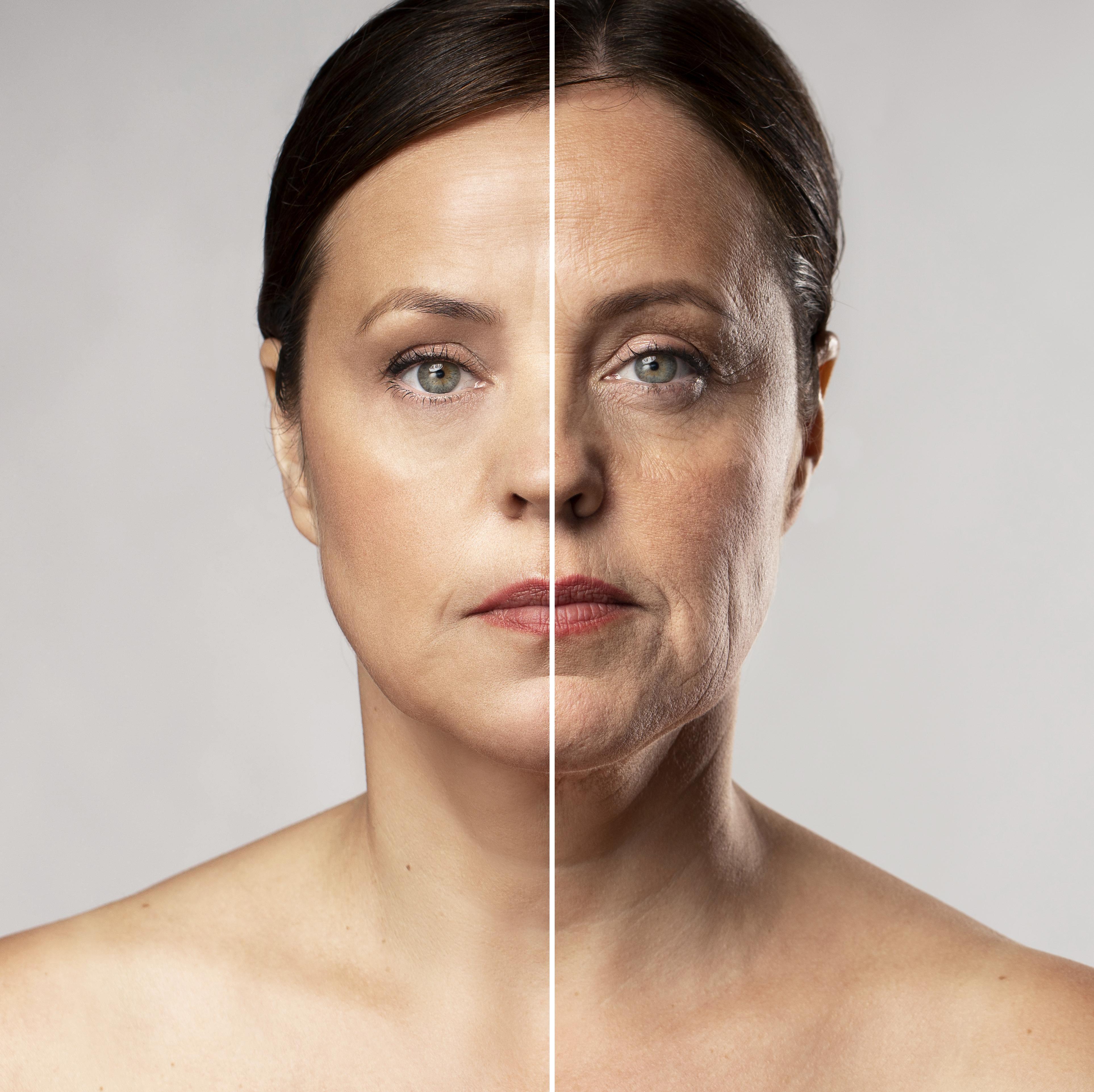
Pigmentation is one of the most searched skin concerns in Chandigarh — and with good reason. India's strong UV exposure, pollution, hormonal changes from PCOS, and the widespread (and harmful) use of steroid-laced fairness creams have made uneven skin tone, dark spots, and melasma an epidemic-level problem across North India.
Yet despite its prevalence, pigmentation remains one of the most mistreated conditions — billions are spent on fairness creams that at best don't work, and at worst contain undisclosed steroids that cause rebound hyperpigmentation far worse than the original problem.
This expert guide by Dr. Sukhmani Brar Jugpal, MD Dermatology at Dermessence Clinic, Sector 16D Chandigarh, breaks down the types, causes, and evidence-based treatments for every form of skin pigmentation.
What Causes Skin Pigmentation?
Skin colour is determined by melanin — a pigment produced by specialised cells called melanocytes. When melanocytes overproduce melanin in localised areas, pigmentation, dark spots, or patches appear. The cause of this overproduction varies by type:
Types of Pigmentation
1. Melasma
The most common form in Indian women — appears as symmetrical, irregular brown or greyish-brown patches on the cheeks, forehead, upper lip, and nose. Triggers: UV exposure, hormonal changes (pregnancy, OCP, PCOS), heat. Melasma is chronic and requires long-term management. It is not a cosmetic problem — it is a medical condition requiring a dermatologist.
2. Post-Inflammatory Hyperpigmentation (PIH)
Dark marks left after acne, eczema, insect bites, or any skin injury. The inflammation triggers excess melanin production during healing. More common and darker in people with naturally darker skin tones (Fitzpatrick Types IV–VI). Responds well to topical treatments + light peels.
3. Sun Spots (Solar Lentigines)
Flat, well-defined brown spots on sun-exposed areas — face, hands, décolletage. Caused purely by cumulative UV exposure over years. More common after age 35. Laser treatments give excellent results.
4. Freckles (Ephelides)
Small, flat brown spots that appear in sun-exposed areas — common in lighter-skinned individuals. Fade in winter and darken in summer. Harmless, but can be lightened with laser toning and sun protection.
5. Drug-Induced Pigmentation
Certain medications cause skin darkening — minocycline (antibiotic), amiodarone (heart medication), antimalarials, phenytoin (epilepsy). Also, the widespread use of undisclosed steroid-containing fairness creams causes a distinctive pattern of perioral (around-mouth) darkening and acne.
6. Periorbital Hyperpigmentation (Dark Circles)
Darkening around the eyes — can be pigmentation-type (melanin) or vascular (thin skin + blood vessels showing through). Both respond to different treatments. Dark circle treatment in Chandigarh at Dermessence addresses both mechanisms.
7. Acanthosis Nigricans
Velvety, dark thickening of skin in body folds — neck, armpits, groin. Associated with insulin resistance, PCOS, and obesity. Requires treatment of the underlying metabolic condition.
Pigmentation vs Fairness: A Critical Distinction
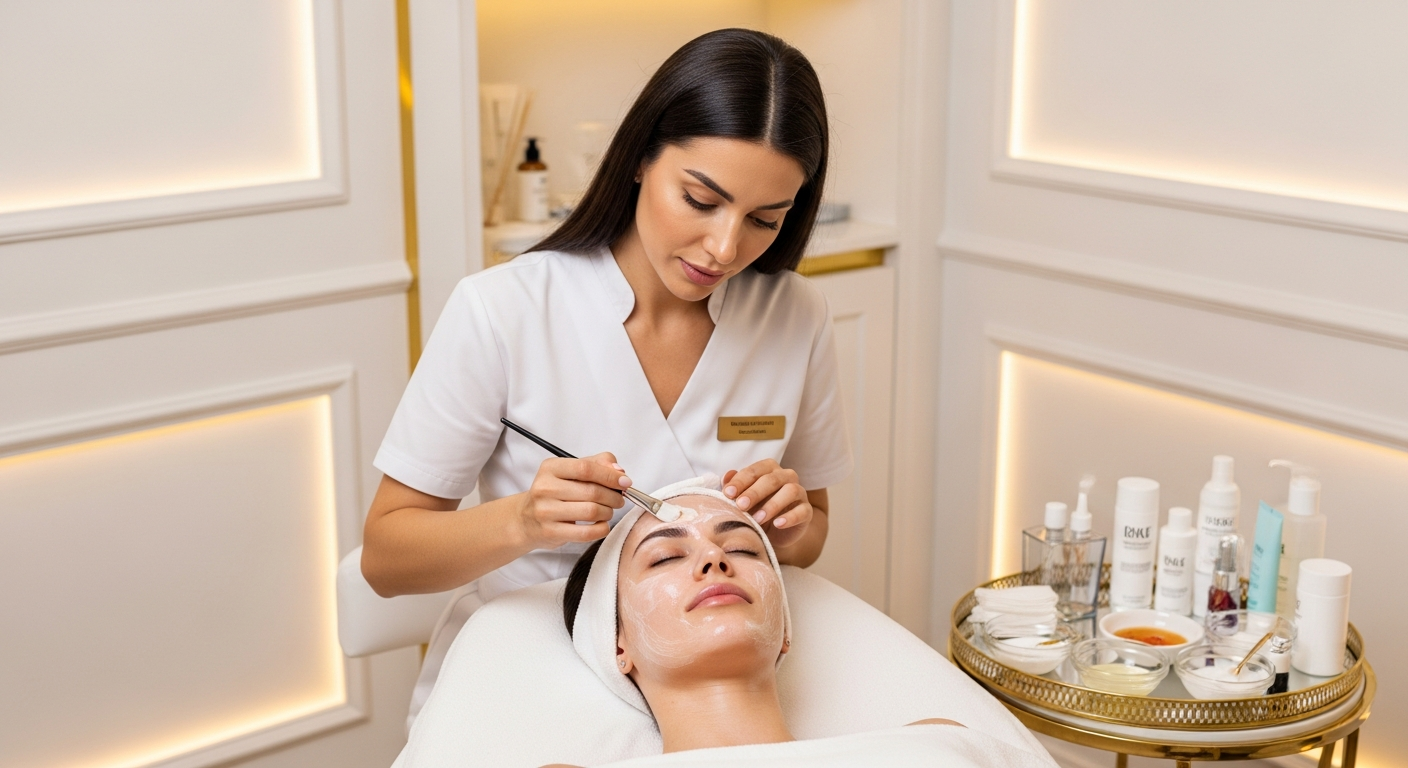
India's obsession with "fairness" has created a significant problem in dermatology. Patients often come to us wanting to be "fairer" — but what they actually need is even skin tone. Your natural skin colour (determined by genetics) cannot and should not be changed. What a dermatologist can do is:
- Remove abnormal dark patches (melasma, PIH, sun spots)
- Restore your natural baseline skin tone obscured by sun damage
- Achieve a healthy, radiant glow through improved skin health
At Dermessence, we do not offer skin lightening beyond your natural skin tone. We offer skin brightening — treating pigmentation to reveal your natural best skin.
Professional Pigmentation Treatments in Chandigarh
1. Tri-Beam Q-Switched Nd:YAG Laser Toning
The gold standard for pigmentation treatment in Indian skin. The Q-Switched laser delivers nanosecond pulses of 1064nm light energy that targets melanin granules and breaks them apart without damaging surrounding skin. The body then naturally clears the fragmented melanin.
Key advantages:
- Safe for all Indian skin types (Fitzpatrick IV–VI)
- No downtime — return to normal activities the same day
- Effective for melasma, PIH, sun spots, freckles, and overall skin brightening
- Also tightens pores and reduces oiliness as a bonus
Protocol: 6–10 sessions, every 2–3 weeks. Cost per session: ₹2,500–₹5,000 at Dermessence.
2. Chemical Peels for Pigmentation
Chemical peels are highly effective for surface pigmentation — especially PIH from acne and sun damage:
- Glycolic Acid Peel (20–50%) — brightens complexion, reduces surface pigmentation, improves texture
- Kojic Acid Peel — specifically targets melanin production
- Azelaic Acid Peel — anti-inflammatory + melanin-suppressing. Best for PCOS-related pigmentation.
- Mandelic Acid Peel — gentle, ideal for darker skin tones with pigmentation
- TCA Peel (10–25%) — for deeper, more stubborn pigmentation. Requires 3–5 days downtime.
3. Topical Prescription Treatment
The cornerstone of any pigmentation treatment plan — prescribed topical agents reduce melanin production and help maintain results from laser or peel sessions:
- Hydroquinone 2–4% — the most studied skin-lightening agent. Use under dermatologist supervision only — not for long-term use without breaks.
- Kojic Acid Cream — gentler alternative to hydroquinone
- Azelaic Acid 15–20% — excellent for melasma + acne PIH combination
- Niacinamide 5–10% — blocks melanin transfer from melanocytes to skin cells
- Arbutin — natural hydroquinone precursor, gentler
- Tretinoin — accelerates skin cell turnover, helps shed pigmented cells faster
4. Mesotherapy for Pigmentation
Microinjections of glutathione, vitamin C, kojic acid, and tranexamic acid directly into the skin deliver active ingredients deeper than any topical product can. Particularly effective for stubborn melasma and overall skin brightening. Combined with medifacials for enhanced results.
5. HydraFacial with Brightening Booster
A non-invasive, zero-downtime treatment that combines deep cleansing, exfoliation, extraction, and infusion of brightening serums in one session. Immediately visible glow. Ideal for monthly maintenance between laser sessions.
The Role of Sunscreen in Pigmentation Treatment
This cannot be overstated: without sunscreen, no pigmentation treatment will work. UV exposure continuously stimulates melanocyte activity. If you're not applying SPF 50 daily, you are undoing your laser and chemical peel results in real time.
At Dermessence, we prescribe a specific sunscreen formulation for each pigmentation patient based on their skin type. For melasma patients, we often recommend a combination of SPF 50+ UV protection with tinted formulas that also provide visible light (VL) protection — since visible light (from screens and indoor lighting) can also trigger melasma in sensitive patients.
Pigmentation Treatment Cost in Chandigarh
| Treatment | Cost per Session | Sessions Needed |
|---|---|---|
| Q-Switched Laser Toning | ₹2,500–₹5,000 | 6–10 |
| Glycolic Acid Peel | ₹1,500–₹3,000 | 4–6 |
| Mesotherapy (Glutathione) | ₹3,000–₹6,000 | 6–8 |
| HydraFacial + Brightening | ₹3,500–₹6,000 | Monthly |
| TCA Peel | ₹3,000–₹8,000 | 2–4 |
Pigmentation in Special Situations
Melasma During Pregnancy
"Chloasma" (melasma of pregnancy / the "mask of pregnancy") is very common. Safe options during pregnancy include sunscreen and azelaic acid. Most laser and chemical peel treatments should wait until after delivery and breastfeeding.
PCOS-Related Pigmentation
Women with PCOS often have both acne and pigmentation simultaneously — driven by elevated androgens and insulin resistance. Treating the underlying PCOS (with metformin, lifestyle changes, and hormonal therapy) is crucial alongside topical and laser treatments.
Pigmentation on Darker Skin Tones
South Asian skin (Fitzpatrick Types IV–VI) is particularly prone to post-inflammatory hyperpigmentation and melasma. It also carries a higher risk of PIH from aggressive laser settings. At Dermessence, all protocols are customised for Indian skin — using lower, safer laser fluences and mandelic/azelaic acid peels instead of aggressive TCA.
Home Remedies for Pigmentation — What Works, What Doesn't
Evidence-Based Home Remedies
- Vitamin C serum — antioxidant that inhibits tyrosinase (melanin-producing enzyme). Use a stable L-ascorbic acid formula at 10–20%.
- Niacinamide 5–10% serum — blocks melanin transfer, reduces PIH
- Sunscreen — the most evidence-based pigmentation "treatment" is prevention
Remedies That Are Myths
- Lemon juice directly on skin — the citric acid can cause phytophotodermatitis (severe, worsening pigmentation in sunlight). Never apply lemon juice on face before going outdoors.
- Turmeric pastes — can stain skin yellow; limited evidence for pigmentation reversal
- Fairness creams — most contain undisclosed steroids, mercury, or hydroquinone in unsafe concentrations. Can cause steroid acne, thinning of skin, and rebound darkening.
- Potato juice, tomato packs — minimal evidence, can irritate sensitive skin
Maintaining Results Long-Term
Pigmentation — especially melasma — tends to recur. Long-term maintenance requires:
- Daily SPF 50+ (non-negotiable, year-round)
- Monthly maintenance laser toning sessions (especially before summer)
- Topical niacinamide or azelaic acid as a maintenance serum
- Avoid hormonal triggers where possible (discuss OCP alternatives with your gynaecologist)
- Annual professional skin assessment at Dermessence to monitor pigmentation levels
Related Articles:
→ Pigmentation Treatment in Chandigarh
→ Dark Spots Treatment
→ Skin Brightening Chandigarh
→ Summer Skin Care Tips
Book a Consultation Today
Get expert dermatology care at Chandigarh's most-trusted skin clinic.
📞 +91-99159-30506