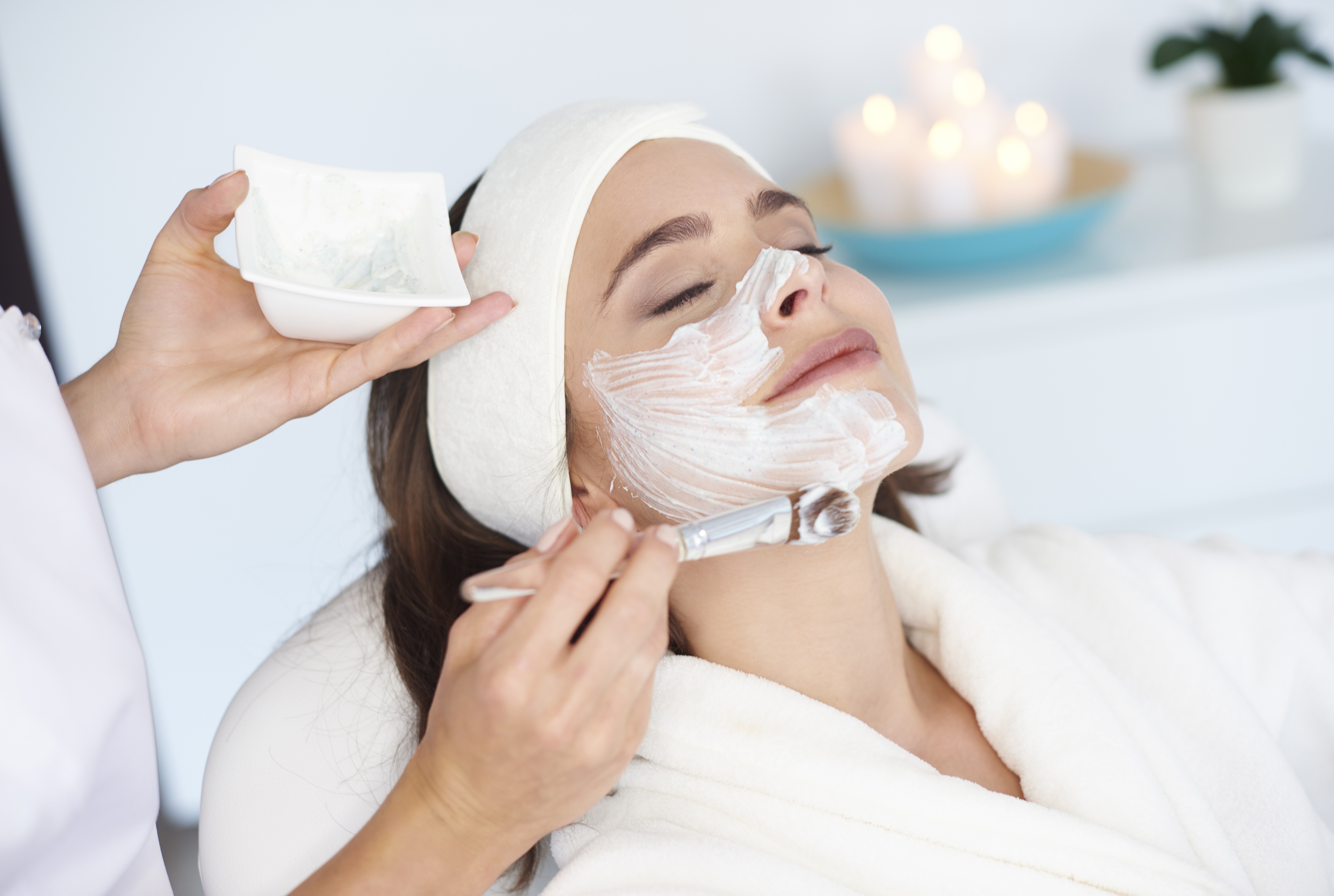
Chandigarh summers are brutal. Between April and July, temperatures regularly cross 42–45°C, UV index hits extreme levels, and humidity fluctuates — creating the perfect storm for skin problems including sun tan, heat rashes, breakouts, pigmentation flares, and dehydration. Yet most people in Chandigarh still rely on a basic moisturiser and fairness cream — completely inadequate for what the summer sun demands.
This guide by Dr. Sukhmani Brar Jugpal, MD Dermatology at Dermessence Clinic, Sector 16D Chandigarh, covers everything you need to protect, nourish, and repair your skin through North India's intense summer months.
Why Chandigarh's Summer is Especially Harsh on Skin
Chandigarh's geographic position in the sub-Himalayan plains makes it particularly punishing for skin:
- UV Index 10–12 (Extreme): Between 10 AM and 4 PM, Chandigarh receives UV radiation equivalent to a beach in the Mediterranean — even on a slightly overcast day.
- Dry Heat Phases: May and June bring very low humidity — skin loses moisture rapidly, causing the TEWL (Trans-Epidermal Water Loss) effect: dehydration without feeling thirsty.
- Dust Storms: Pre-monsoon dust storms carry oxidising free radicals and particulate matter that accelerate skin ageing and clog pores.
- Air Conditioning: Spending hours in dry, air-conditioned offices or cars strips skin of moisture — a hidden summer skin threat.
The #1 Summer Skin Rule: Sunscreen, Sunscreen, Sunscreen
No skincare product or treatment is as impactful as daily, consistent sunscreen use. Yet surveys show fewer than 20% of Indians use sunscreen regularly. Here's the dermatologist's guide to sunscreen in Chandigarh's summer:
What SPF Should You Use?
- Minimum SPF 30 for indoor days with some outdoor exposure
- SPF 50 or SPF 50+ for anyone spending more than 20 minutes outdoors
- PA+++ or PA++++ rating for UVA protection (critical for pigmentation prevention)
Which Sunscreen Formula for Chandigarh's Summer?
- Oily / Acne-Prone Skin: Gel-based or fluid sunscreens — silicone-based formulas with matte finish (e.g., Dermalogica, La Roche-Posay Anthelios Fluid)
- Dry / Normal Skin: Cream-based sunscreens with added moisturisers (SPF + hyaluronic acid formulations)
- Sensitive Skin: Mineral (physical) sunscreens containing zinc oxide or titanium dioxide — no chemical filters that can irritate
- Outdoor Sports / Cycling / Biking: Water-resistant SPF 50+ sunscreen — reapply every 90 minutes
The Right Way to Apply Sunscreen
- Apply sunscreen 30 minutes before sun exposure — not as you walk out the door
- Use a generous amount — 2 finger-lengths for the face, ¼ teaspoon
- Cover ears, neck, and the back of your hands — often neglected
- Reapply every 2–3 hours if outdoors — SPF degrades with UV exposure
- Layer sunscreen over moisturiser, under makeup
Summer Skin Concerns in Chandigarh — And How to Treat Them
1. Sun Tan
The most common summer complaint — a darkening of exposed skin due to melanin production triggered by UV exposure. It typically affects the face, neck, arms, and hands. A tan removal treatment at Dermessence can restore even skin tone within 4–6 sessions.
Home tips: Vitamin C serum in morning (antioxidant protection), niacinamide at night. Clinic treatment: Laser toning, chemical peels, HydraFacials with brightening boosters.
2. Summer Acne Breakouts
Heat + humidity + sweat = breeding ground for acne bacteria. Summer acne tends to appear on the forehead, back, and chest. Switching to an oil-free, non-comedogenic moisturiser and sunscreen dramatically helps. If breakouts persist, consult a dermatologist for acne treatment.
3. Heat Rash (Miliaria)
Sweat glands become blocked in intense heat, causing itchy, prickly red bumps — commonly on the back, chest, and neck. Loose cotton clothing, talc-free powders, and cool showers help. Persistent cases may need topical steroids or antihistamines under dermatologist supervision.
4. Pigmentation & Melasma Flares
Summer is the worst season for melasma and pigmentation — UV rays directly stimulate melanocytes to produce more pigment. Patients who've had laser pigmentation treatments must be extra vigilant with sun protection in summer. Never skip sunscreen after any laser or chemical peel treatment.
5. Sun Allergy (Solar Urticaria / Polymorphous Light Eruption)
Some people develop hives, itching, or bumpy red patches within minutes of sun exposure — a condition called photodermatosis. If you notice this pattern, consult a skin allergy specialist — it is treatable with antihistamines and photoprotection strategies.
6. Dehydrated, Dull Skin
Air conditioning + sun exposure creates a paradox — skin that looks oily on the surface but is actually dehydrated underneath. Signs: tight skin, rough texture, fine lines appearing. Solution: lightweight hyaluronic acid serum under sunscreen, and IV or oral hydration.
Dermatologist-Recommended Summer Skin Routine
Morning Routine (5 Steps)
- Gentle Cleanser — removes overnight oil and sweat build-up. Use a foaming or gel cleanser if oily, cream cleanser if dry.
- Vitamin C Serum — antioxidant protection against UV-induced free radical damage. Apply before sunscreen.
- Light Moisturiser — gel or water-based in summer. Skip heavy creams.
- Sunscreen SPF 50+ — the most important step. Non-negotiable, even on cloudy days.
- Lip SPF — lips burn easily in summer. Use an SPF 15+ lip balm.
Evening Routine (4 Steps)
- Double Cleanse — micellar water to remove sunscreen, followed by foaming cleanser
- Niacinamide or Azelaic Acid Serum — controls pigmentation, reduces pores, anti-inflammatory
- Retinol / Tretinoin (if prescribed) — use ONLY at night as it increases sun sensitivity
- Night Moisturiser — slightly richer formula to repair overnight
Weekly Add-Ons
- Clay Mask (1–2x/week) — for oily skin to absorb excess sebum
- Sheet Mask with Hyaluronic Acid — for dry or dehydrated skin
- Gentle Exfoliant — AHA/BHA toner 2x/week (not more in summer — over-exfoliation causes sensitivity)
Summer Hair Care Tips from a Dermatologist
Your hair and scalp need summer protection too:
- Scalp sunscreen: Use an SPF spray on your parting if you're outdoors for long hours
- Reduce heat styling: Hair is already stressed from sun exposure — minimise blow-dryers and straighteners
- Scalp oiliness: Wash hair every alternate day — daily washing strips natural oils and triggers rebound sebum production
- Pool damage: Chlorine in swimming pools damages hair proteins — always rinse hair immediately after swimming and use a leave-in conditioner
- Summer hair fall: Seasonal increased shedding is normal in summer — if it's excessive (>100 strands/day for weeks), consult a hair fall specialist
In-Clinic Summer Skin Treatments at Dermessence
Despite the heat, certain treatments can be safely done in summer — and some are specifically designed for summer skin problems:
| Treatment | Best For | Summer Safe? |
|---|---|---|
| HydraFacial | Glow, hydration, tan | ✅ Yes |
| Laser Toning | Tan, pigmentation | ✅ Yes (mild) |
| Salicylic Peel | Acne, oily skin | ✅ Yes (low %) |
| Skin Boosters | Dehydration, dullness | ✅ Yes |
| Deep Chemical Peels | Scars, pigmentation | ⚠️ Avoid peak summer |
| HIFU / Morpheus8 | Skin tightening | ⚠️ Post-care crucial |
Sunscreen Myths Busted by Dermessence Dermatologist
- Myth: "Dark skin doesn't need sunscreen." — Dark skin is naturally SPF 13 — far below what's needed for Chandigarh's UV levels. All skin types need sunscreen.
- Myth: "I'm indoors all day, sunscreen isn't needed." — UVA rays penetrate glass windows. If you sit near a window, you're getting UV exposure.
- Myth: "My moisturiser has SPF — that's enough." — Moisturiser SPF is typically SPF 15 and applied in too thin a layer. You need a dedicated sunscreen on top.
- Myth: "Sunscreen causes acne." — Non-comedogenic, gel-based sunscreens will not cause acne. It's the wrong sunscreen formula, not the sunscreen itself.
- Myth: "If it's cloudy, I don't need sunscreen." — Clouds block only 20% of UV radiation. 80% reaches you even on a fully overcast day.
Summer Emergency: Sunburn
Sunburn happens — especially during sudden outdoor events (weddings, treks, holi). Here's what to do:
- Cool the skin immediately — cool (not cold) water compress for 20 minutes. Never apply ice directly.
- Aloe vera gel — pure aloe directly from the plant, or a pharmacy gel without alcohol
- Avoid further sun exposure for at least 3 days
- Stay hydrated — sunburn draws fluid to the skin surface, causing dehydration
- Ibuprofen or paracetamol — for pain and inflammation relief
- See a dermatologist — if you develop blistering, fever, or severe pain
Chandigarh Summer Skin Calendar
- March–April: Start SPF routine. Begin pigmentation prevention. Great time for chemical peels before summer intensifies.
- May–June: Peak sun protection. Lightweight hydrating routines. Avoid aggressive treatments. HydraFacials for instant glow.
- July (Monsoon begins): Humidity rises — switch to non-comedogenic products, manage fungal acne risk. Tan removal treatments become more accessible.
- August–September: Post-monsoon skin repair. Excellent time for chemical peels, laser toning, and microneedling.
Book Your Summer Skin Consultation
Whether you're dealing with summer acne, tan, pigmentation, or simply want to understand the best routine for your skin type in Chandigarh's climate — Dr. Sukhmani Brar Jugpal at Dermessence offers personalised skin assessments. Rated 4.9★ by 287+ patients, we are Chandigarh's most trusted dermatology clinic.
Related Articles:
→ Tan Removal Treatment Chandigarh
→ Skin Brightening Treatments
→ Pigmentation Treatment Chandigarh
→ Complete Acne Treatment Guide
Book a Consultation Today
Get expert dermatology care at Chandigarh's most-trusted skin clinic.
📞 +91-99159-30506