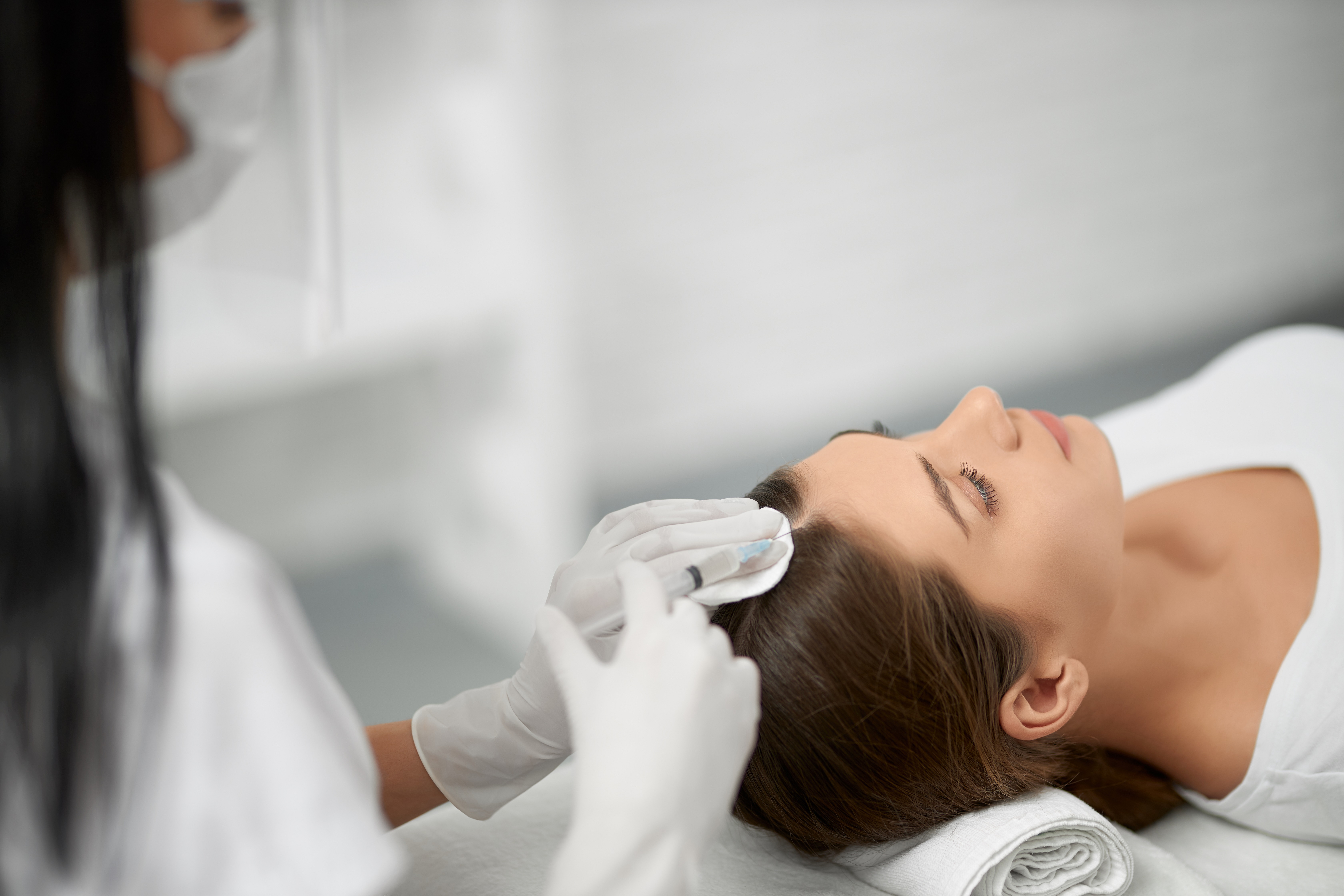
The scalp is the most neglected part of the skin in most people's beauty and healthcare routines — yet it is, literally, skin. The same dermatological conditions that affect the face and body — seborrheic dermatitis, psoriasis, folliculitis, fungal infections — affect the scalp, often more severely due to the dense hair coverage, sebaceous gland activity, and difficulty of applying and absorbing treatments through hair.
In Chandigarh, scalp problems peak in two seasons: monsoon (fungal proliferation from humidity) and winter (dryness + reduced natural oil distribution). But for many patients, scalp conditions are year-round, chronic problems that significantly impact quality of life — from embarrassing dandruff to painful psoriasis plaques to itching that disrupts sleep.
This comprehensive guide by Dr. Sukhmani Brar Jugpal, MD Dermatology at Dermessence Clinic, Sector 16D Chandigarh covers every major scalp condition, its causes, and the most effective treatments available in Chandigarh.
Understanding Scalp Anatomy
The scalp is unlike skin elsewhere on the body in several important ways:
- Highest sebaceous gland density — up to 900 glands per cm² on the scalp (vs 100/cm² on other areas). This makes the scalp highly prone to seborrheic dermatitis and fungal overgrowth.
- Rich blood supply — ideal for wound healing but also means systemic conditions (psoriasis, lichen planopilaris) manifest prominently here
- Dense hair follicle coverage — creates a warm, humid microenvironment between hairs that favours fungal and bacterial growth
- Difficult treatment access — topical treatments must penetrate through hair to reach the scalp, requiring specific formulations (shampoos, solutions, sprays)
Common Scalp Conditions: Diagnosis and Treatment
1. Dandruff (Pityriasis Capitis / Seborrhoeic Dermatitis)
The most common scalp condition — affecting approximately 50% of the world's population at some point. Despite its prevalence, dandruff is frequently misunderstood and undertreated.
Causes: The primary driver is Malassezia yeast — a lipophilic (fat-loving) fungus that naturally colonises the scalp. In susceptible individuals, the immune response to Malassezia triggers inflammation, accelerated skin cell turnover, and the characteristic white/yellowish flakes. Contributing factors include oily scalp, hormonal changes, stress, and immune compromised states.
Types of Dandruff:
- Dry dandruff: Fine, white, powdery flakes. Associated with dry scalp.
- Oily dandruff (Seborrhoeic Dermatitis): Yellowish, greasy, larger flakes. Associated with excess sebum + Malassezia. Can involve the hairline, eyebrows, behind the ears, and nose.
- Pityriasis Amiantacea: Severe form — thick, overlapping scales adherent to hair shafts. Requires medical treatment.
Dermatologist-Recommended Treatment:
- Ketoconazole 2% Shampoo (Nizoral) — the gold standard antifungal shampoo. Use 2–3x per week, leave on scalp 5 minutes before rinsing.
- Selenium Sulphide 2.5% Shampoo — reduces Malassezia and slows skin cell turnover
- Zinc Pyrithione Shampoo — good maintenance option for mild dandruff
- Ciclopirox 1% Shampoo — antifungal + anti-inflammatory combination
- Salicylic Acid Shampoo — for scaling and build-up. Often combined with antifungal.
- Topical Corticosteroid Solution / Lotion — for inflamed, itchy seborrhoeic dermatitis (betamethasone valerate, fluocinolone). Short course only.
2. Scalp Psoriasis
Psoriasis is a chronic autoimmune skin condition characterised by accelerated skin cell turnover — cells that normally take 28 days to mature are produced in 3–4 days, leading to thick, silvery-white plaques. Scalp psoriasis affects approximately 80% of psoriasis patients at some point.
Distinguishing from dandruff:
- Psoriasis plaques are thicker, more adherent, and silvery-white (not yellowish like seborrhoeic dermatitis)
- Scalp psoriasis often extends beyond the hairline onto the forehead, neck, and behind ears
- Psoriasis is associated with joint pain (psoriatic arthritis) in 20–30% of patients
- May be accompanied by psoriasis elsewhere on body (elbows, knees, nails)
Treatment (from mild to severe):
- Topical corticosteroids (betamethasone scalp solution, clobetasol shampoo) — first-line
- Vitamin D analogues (calcipotriol scalp solution) — reduce skin cell proliferation
- Tar shampoos (coal tar) — old but effective for scaling control
- Combination products (calcipotriol + betamethasone foam/gel) — highly effective
- Salicylic acid — for descaling before applying medicated treatment
- Oral medications (methotrexate, cyclosporine, acitretin) — for extensive or refractory scalp psoriasis
- Biologics (secukinumab, ixekizumab, risankizumab) — for severe psoriasis not responding to standard therapy
3. Scalp Folliculitis
Bacterial or fungal infection of hair follicles — appears as red, itchy pustules (pus bumps) on the scalp. Can be acute or chronic.
Causes: Staphylococcus aureus (bacterial), Malassezia (pityrosporum folliculitis), post-laser irritation, tight hairstyles, helmet wearing, or sweating without adequate washing.
Treatment:
- Bacterial folliculitis: Topical mupirocin or chlorhexidine wash; oral antibiotics (doxycycline, clindamycin) for widespread cases
- Fungal folliculitis: Ketoconazole or fluconazole
- Hot tub folliculitis (Pseudomonas): Resolves spontaneously; ciprofloxacin for severe cases
4. Scalp Tinea (Fungal Scalp Infection)
More common in children but can occur in adults. Caused by dermatophyte fungi (Trichophyton, Microsporum) — causes patchy hair loss with scaling. Requires systemic antifungals (oral griseofulvin or terbinafine) as topical therapy alone is insufficient.
5. Lichen Planopilaris (Scarring Alopecia)
An autoimmune condition where the hair follicles are progressively destroyed by inflammation — leading to permanent hair loss in affected areas. Early diagnosis and treatment is critical to prevent irreversible follicle destruction.
Symptoms: Itching, burning, pain on scalp; redness and perifollicular scaling around hair follicles; patchy hair loss with no visible follicle openings (follicle openings are absent in scarring alopecias).
Treatment: Requires a specialist dermatologist — topical and intralesional corticosteroids, hydroxychloroquine, mycophenolate mofetil, cyclosporine for aggressive cases.
6. Scalp Eczema (Atopic Dermatitis of Scalp)
Atopic individuals (those with a genetic tendency to eczema, asthma, and allergic rhinitis) can develop eczematous scalp — severely itchy, dry, inflamed scalp skin without the Malassezia component of seborrhoeic dermatitis. Treatment: emollient-based shampoos, topical corticosteroids, calcineurin inhibitors (tacrolimus, pimecrolimus).
7. Contact Dermatitis of the Scalp
Allergic reaction to hair dye (PPD — para-phenylenediamine is the most common contact allergen in North India), hair products, shampoo ingredients. Presents as severe itching, burning, and redness of the scalp and hairline after colouring. Can be severe enough to require oral corticosteroids.
Prevention: Patch test before every hair colouring session. Switch to henna or PPD-free dyes if sensitised.
Professional Scalp Treatments at Dermessence
Trichoscopy (Scalp Dermatoscopy)
A digital dermatoscope magnifies the scalp up to 70x — allowing precise assessment of hair follicle health, miniaturisation, scalp inflammation, and the presence of scarring. Essential for distinguishing between different scalp conditions that look similar clinically. At Dermessence, all scalp patients receive trichoscopy assessment.
Scalp Mesotherapy
Microinjections of anti-inflammatory, antifungal, and nutritive agents directly into the scalp for seborrhoeic dermatitis and scalp psoriasis. Provides sustained release of active agents at the follicle level.
GFC Scalp Treatment
Growth Factor Concentrate injections for inflammatory scalp conditions accompanied by hair loss — stimulates follicle recovery while anti-inflammatory growth factors help calm scalp inflammation. Read more about GFC hair treatment.
Scalp Peels
Salicylic acid-based scalp peels (applied through hair) dissolve scalp build-up, reduce Malassezia colonisation, and restore a healthy scalp pH. Monthly sessions for chronic seborrhoeic dermatitis.
Phototherapy (UVB)
Narrowband UVB phototherapy for scalp psoriasis — targeted UV delivered to the scalp through a comb-shaped applicator. Highly effective for moderate-severe scalp psoriasis without systemic medication.
Scalp Care Routine: Dermatologist Guide
For Oily/Dandruff-Prone Scalp
- Wash every 2 days (not daily — daily washing can ironically worsen oiliness)
- Ketoconazole 2% shampoo 2x per week; zinc pyrithione or salicylic acid shampoo on other days
- Don't apply conditioner to scalp — scalp only on hair shafts from mid-length
- Rinse thoroughly — product residue worsens dandruff
- Avoid hot water — use lukewarm water on scalp
For Dry/Sensitive Scalp
- Gentle, sulphate-free shampoo every 3 days
- Moisturising scalp serum with hyaluronic acid or ceramides
- Scalp massage with lightweight hair oil (jojoba, argan — not coconut on scalp for oily scalp types)
- Avoid harsh chemical treatments (perming, relaxing) if scalp is sensitive
Scalp Massage for Hair and Scalp Health
5 minutes of fingertip scalp massage daily (not nail-based, which can scratch and worsen inflammation) has been shown to:
- Increase scalp blood flow by 15–20%, improving follicle nutrient delivery
- Reduce cortisol (stress) levels — indirectly reducing stress-driven hair loss
- Improve sebum distribution along hair shaft, reducing dry ends
- Potentially stretch follicle dermal papilla cells, stimulating hair growth
Related Articles:
→ Scalp Treatment Chandigarh
→ Hair Loss Treatment Guide
→ Monsoon Skin Care Guide
Book a Consultation Today
Get expert dermatology care at Chandigarh's most-trusted skin clinic.
📞 +91-99159-30506