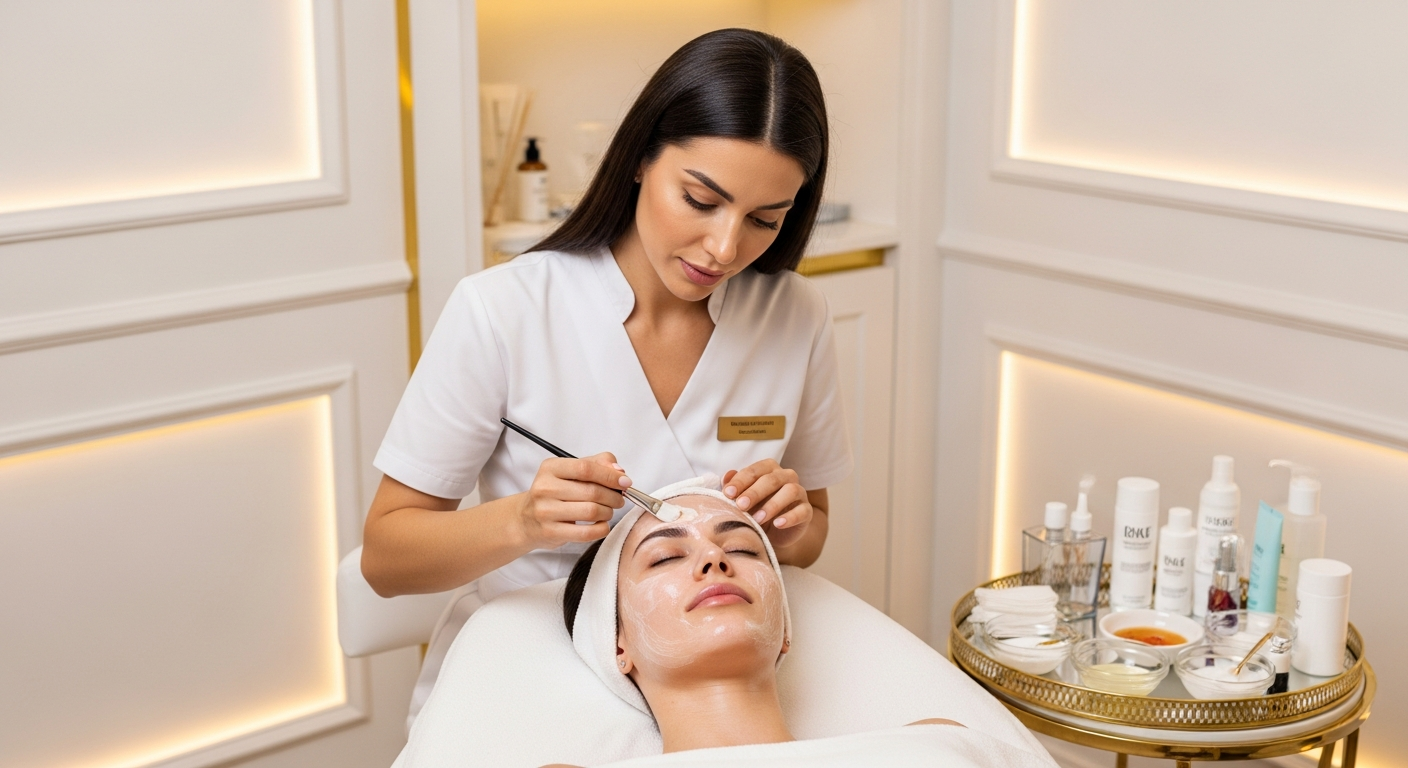
Acne is India's most common skin condition — affecting nearly 85% of people between the ages of 12 and 35. Yet despite its prevalence, it remains one of the most undertreated skin problems in Chandigarh. Most people try home remedies, over-the-counter creams, or beauty parlour facials — only to find their acne worsening or leaving permanent scars.
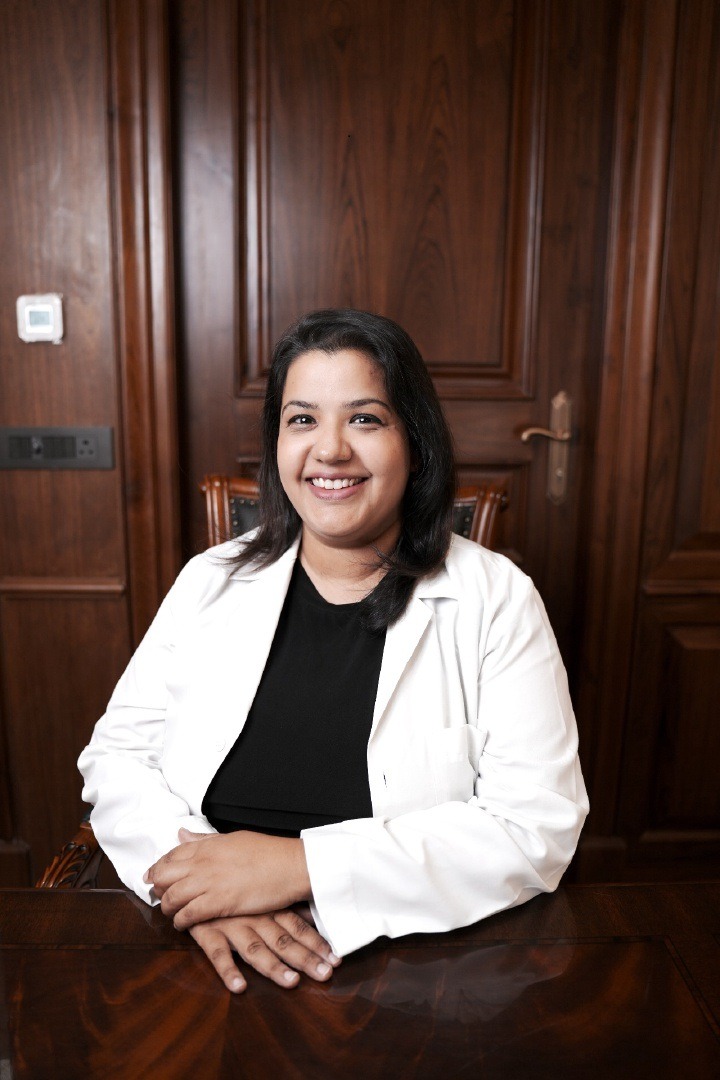
This comprehensive guide by Dr. Sukhmani Brar Jugpal, MD Dermatology at Dermessence Clinic, Sector 16D Chandigarh, walks you through everything you need to know about acne — from its root causes to the most advanced dermatologist treatments available in Chandigarh in 2026.
What is Acne? Understanding the Science
Acne vulgaris is a chronic inflammatory skin condition that occurs when hair follicles become plugged with oil (sebum) and dead skin cells. The result: pimples, blackheads, whiteheads, nodules, and cysts — primarily on the face, chest, shoulders, and back.
At the cellular level, four key processes drive acne:
- Excess sebum production — triggered by androgens (hormones)
- Abnormal skin cell shedding — dead cells clump and block pores
- Bacterial colonisation — Cutibacterium acnes (formerly P. acnes) multiplies in blocked follicles
- Inflammation — the immune system attacks the bacteria, causing redness and swelling
Understanding these four factors is why a qualified acne specialist in Chandigarh will approach your treatment differently from a general physician or beauty therapist — each factor may need a different intervention.
Types of Acne: Which One Do You Have?
Not all acne is the same. Your dermatologist will classify your acne to determine the right treatment protocol:
1. Comedonal Acne (Non-Inflammatory)
The mildest form — appears as blackheads (open comedones) and whiteheads (closed comedones). Pores are blocked but not yet inflamed. Responds well to topical retinoids and salicylic acid.
2. Mild to Moderate Inflammatory Acne
Papules (small red bumps) and pustules (pus-filled pimples). The skin feels tender. Requires combination therapy — topical antibiotics + benzoyl peroxide + retinoids.
3. Severe Nodulo-Cystic Acne
Large, painful, deep lumps (nodules) and fluid-filled sacs (cysts) that can leave permanent scarring if not treated promptly. This is a medical emergency in dermatology — requires oral medications including antibiotics or isotretinoin (Accutane).
4. Hormonal Acne
Predominantly affects women — appears around the jawline, chin, and lower cheeks. Flares around the menstrual cycle. Requires hormonal evaluation and specific treatments like spironolactone or combined oral contraceptives (in consultation with a gynaecologist).
5. Acne Fulminans / Acne Conglobata
Rare, severe systemic forms with widespread nodules, fever, and joint pain. Requires urgent specialist care.
Common Causes of Acne in Chandigarh
While the basic mechanism is universal, several factors specific to Chandigarh and North India can worsen acne:
Hormonal Fluctuations
Puberty, menstrual cycles, pregnancy, polycystic ovarian syndrome (PCOS), and thyroid disorders all elevate androgen levels — which directly increase sebum production. PCOS affects an estimated 1 in 5 women in urban North India.
Diet: The Chandigarh Factor
High-glycaemic foods (white bread, rice, sugar) and dairy consumption have been linked to acne flares in multiple clinical studies. The typical Chandigarh diet — rich in parathas, paneer, milk, and sweets — can be a significant acne trigger.
Pollution and Dust
Chandigarh's air quality, while better than Delhi, still carries particulate matter that settles on skin and clogs pores. Construction dust in expanding areas like New Chandigarh and Mohali is a particular concern.
Stress
Cortisol (the stress hormone) amplifies sebum production. Academic pressure, work stress, and competitive environments in Chandigarh's student and professional population make stress a common acne trigger.
Wrong Skincare Products
Comedogenic (pore-clogging) moisturisers, heavy sunscreens, and greasy hair oils are major culprits — especially when people try to "cover up" acne with thick foundation.
Self-Medication
Steroid creams (fairness creams, branded "glow" creams) cause steroid acne — a distinct pattern of uniform monomorphic pustules. This is extremely common in Chandigarh and requires specific treatment.
Professional Acne Treatments Available in Chandigarh
At Dermessence Clinic, Dr. Sukhmani designs a personalised treatment protocol for each patient. Here are the treatments available:
1. Medical-Grade Topical Therapy
The foundation of acne management. Dermatologist-prescribed topicals are far more effective than over-the-counter products:
- Tretinoin / Adapalene (Retinoids) — normalize skin cell turnover, prevent comedone formation
- Clindamycin / Erythromycin — topical antibiotics that kill acne bacteria
- Benzoyl Peroxide (BPO) — antibacterial, prevents antibiotic resistance
- Azelaic Acid — reduces bacteria + pigmentation (ideal for Indian skin tones)
- Niacinamide (Prescription strength) — anti-inflammatory, reduces pore size
2. Oral Medications
For moderate to severe acne, topicals alone are insufficient:
- Oral Antibiotics (Doxycycline, Minocycline) — short 3-month courses to control bacterial overgrowth
- Isotretinoin (Accutane) — the only treatment that can provide long-term remission from severe cystic acne. Must be supervised by a qualified dermatologist with monthly monitoring.
- Hormonal Therapy — for women with PCOS-related acne: spironolactone, combined OCP
- Metformin — occasionally prescribed for insulin-resistant acne with PCOS
3. Chemical Peels for Acne
Chemical peels are the most powerful in-clinic tool for active acne. At Dermessence, we use:
- Salicylic Acid Peel (20–30%) — the gold standard for oily, acne-prone skin. Penetrates the pore, exfoliates from within, reduces blackheads and active breakouts dramatically.
- Mandelic Acid Peel — gentler, ideal for sensitive acne-prone skin or darker skin types with pigmentation
- Glycolic Acid Peel — improves texture, post-acne marks, and surface congestion
- Combination Peels (Jessner's Formula) — for stubborn, treatment-resistant acne
A course of 4–6 peels, spaced 2–3 weeks apart, typically delivers visible clearing of active acne. Cost per session: ₹1,500–₹4,000 depending on the type and combination.
4. Comedone Extraction (Medical Facials)
Professional extraction under sterile conditions removes congested pores without spreading infection — unlike facial parlour extractions which often worsen acne by introducing bacteria. Our Medi Facials combine deep cleansing, enzyme exfoliation, and medical-grade extraction.
5. Light-Based Therapies
- Blue Light Therapy — kills acne bacteria using light energy, zero downtime
- Laser Toning — reduces sebum production and inflammation
- Photodynamic Therapy (PDT) — for severe, resistant acne
6. Intralesional Corticosteroid Injections
For acute, painful cystic nodules — a small amount of diluted corticosteroid injected directly into the cyst can reduce it within 24–48 hours. This prevents scarring from aggressive self-squeezing.
Acne Scar Treatment in Chandigarh
Once active acne is controlled, the next concern for most patients is acne scars. These form when the deep inflammation destroys collagen in the dermis. Types of acne scars:
- Icepick scars — narrow, deep pits (hardest to treat)
- Boxcar scars — broad depressions with sharp edges
- Rolling scars — wave-like undulations from subcutaneous damage
- Hypertrophic scars — raised, thickened (common in South Asian skin)
- Post-Inflammatory Hyperpigmentation (PIH) — flat dark marks (not true scars but very common)
Scar Treatments at Dermessence
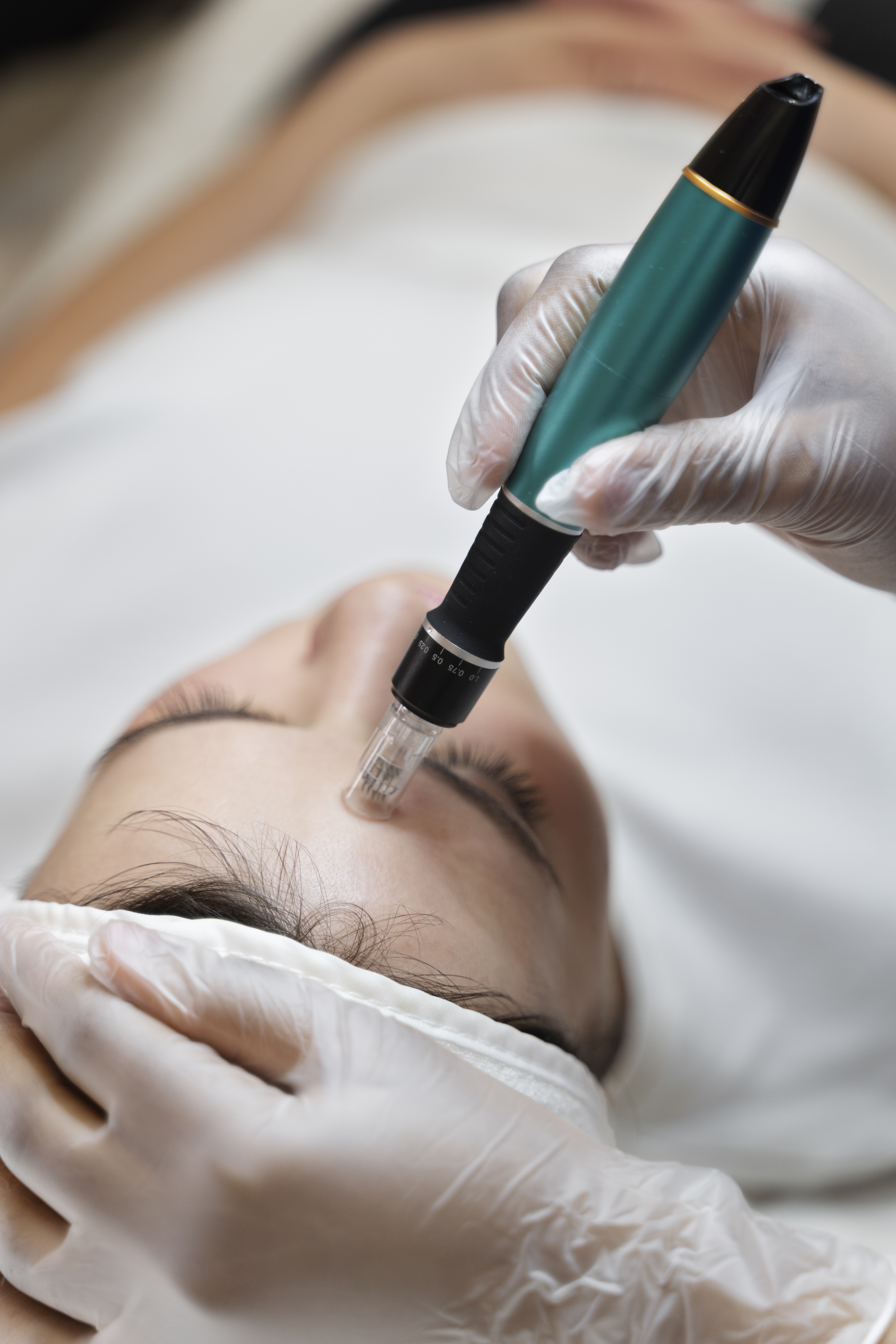
- Microneedling (Dermapen) — triggers collagen induction, excellent for rolling and boxcar scars. 4–6 sessions.
- RF Microneedling (Morpheus8) — deeper remodelling with added radiofrequency. Best for moderate-severe scars.
- Subcision — a needle breaks the fibrous bands pulling scars downward (rolling scars)
- TCA Cross — precise acid application into icepick scars to stimulate collagen fill-in
- Laser Resurfacing — ablative or fractional CO2 for overall textural improvement
- Chemical Peels — for PIH and surface scarring
- Dermal Fillers — temporary volume fill for deep scars
Acne Treatment Cost in Chandigarh
| Treatment | Cost Per Session | Sessions Required |
|---|---|---|
| Consultation + Topical Prescription | ₹500–₹800 | 1 |
| Salicylic Acid Peel | ₹1,500–₹2,500 | 4–6 |
| Medi Facial | ₹2,500–₹4,000 | Monthly |
| Microneedling (Scars) | ₹3,000–₹6,000 | 4–6 |
| RF Microneedling / Morpheus8 | ₹8,000–₹15,000 | 3–4 |
| Laser Resurfacing | ₹10,000–₹25,000 | 3–5 |
Diet and Lifestyle Changes for Acne
At Dermessence, we believe acne treatment is incomplete without addressing diet and lifestyle. Here are evidence-based recommendations:
Foods to Reduce
- White bread, white rice, sugary foods (high GI) — spike insulin → increase sebum
- Full-fat dairy milk — contains growth hormones that can worsen acne
- Fried, oily foods — particularly deep-fried snacks and fast food
- Whey protein supplements — documented acne trigger in gym-goers
Foods to Include
- Zinc-rich foods: pumpkin seeds, chickpeas, lentils — reduce inflammation
- Omega-3 fatty acids: flaxseeds, walnuts — anti-inflammatory
- Green leafy vegetables: antioxidants to fight skin inflammation
- Berries and fruits with low GI
- Sufficient water: minimum 8–10 glasses daily
Skincare Routine for Acne-Prone Skin
- Morning: Gentle foaming cleanser → Oil-free moisturiser → SPF 30+ sunscreen (non-comedogenic)
- Evening: Micellar water → Cleanser → Prescribed topical (retinoid / antibiotic)
- Weekly: Clay mask (kaolin or bentonite) to absorb excess oil
Acne in Special Populations
Teenage Acne in Chandigarh
Puberty-driven acne in 13–19 year olds is the most common presentation. Early treatment prevents lifelong scarring. Parents often delay consulting a dermatologist — don't wait. A dermatologist can treat teenage acne safely and effectively.
Adult Women with Hormonal Acne
Acne in women over 25, especially along the jawline and chin, almost always has a hormonal driver — often undiagnosed PCOS or insulin resistance. At Dermessence, we coordinate with gynaecologists and endocrinologists for comprehensive hormonal evaluation.
Acne During Pregnancy
Most standard acne medications are contraindicated in pregnancy. Safe alternatives include azelaic acid, glycolic acid, and blue light therapy. Always consult a dermatologist before using any product during pregnancy.
Acne in Men
Men tend to have more severe acne due to higher androgen levels. Back and chest acne (truncal acne) is more common. Often triggered or worsened by gym supplements and testosterone boosters.
Common Acne Myths — Busted by a Dermatologist
- Myth: Acne is caused by eating oily food. — Reality: Diet plays a role, but the mechanism is more complex. Greasy food touching your face is not the issue — high glycaemic foods and dairy have more evidence.
- Myth: Sun exposure cures acne. — Reality: Sun temporarily dries pimples but damages skin, worsens pigmentation and increases cancer risk.
- Myth: Toothpaste works on pimples. — Reality: Can cause chemical burns and skin irritation. Never use it.
- Myth: Popping pimples helps them heal faster. — Reality: Spreading bacteria, pushing infection deeper, and causing scarring.
- Myth: Acne will go away on its own. — Reality: Without treatment, acne can persist for years and cause permanent scars.
- Myth: Only teenagers get acne. — Reality: 15% of adults — especially women — have persistent adult acne.
Why Choose Dermessence for Acne Treatment in Chandigarh?
Dermessence Clinic in Sector 16D, Chandigarh is Chandigarh's highest-rated dermatology clinic with 4.9 stars from 287+ patient reviews. Here's why patients choose us for acne:
- MD Dermatology specialist — Dr. Sukhmani Brar Jugpal has specific training in acne and acne scarring management
- Scientific approach — we identify the root cause before prescribing treatment, not a one-size-fits-all cream
- State-of-the-art equipment — Morpheus8, Lumenis laser, Dermapen, medical-grade peels
- PCOS + acne coordination — we work with gynaecologists for hormonal acne in women
- No steroids, no quick-fix creams — all treatments are evidence-based and dermatologist-supervised
- Transparent pricing — no hidden charges or package pressure
When to See a Dermatologist for Acne
Don't wait. See a dermatologist if:
- Over-the-counter products haven't helped after 2–3 months
- You're getting cysts or nodules (deep, painful lumps)
- You're developing scars or dark marks
- Your acne is affecting your mental health, confidence, or social life
- You've been on the same cream for months with no improvement
- Your acne appeared after starting a new supplement or medication
Frequently Asked Questions About Acne Treatment
How long does it take for acne treatment to work?
Topical treatments typically show improvement in 6–8 weeks. Chemical peels and medical procedures show faster results (2–4 weeks). Oral medications for severe acne may take 3–4 months for significant improvement.
Is isotretinoin (Accutane) safe?
Yes — when prescribed and monitored by a qualified dermatologist. Monthly liver function tests and pregnancy tests (for women) are mandatory. Side effects like dryness are managed with moisturisers. It is the most effective treatment for severe cystic acne.
Can acne scars be completely removed?
With the right combination of treatments (microneedling, subcision, laser), 60–80% improvement in scar appearance is achievable. Complete erasure is rarely possible, but the improvement is typically dramatic and life-changing for patients.
Does acne treatment work for all skin types?
Yes. Indian skin (Fitzpatrick types IV-VI) requires specific adaptations in treatment protocols — for example, avoiding aggressive lasers that can cause post-inflammatory hyperpigmentation. At Dermessence, all protocols are designed for South Asian skin.
Related Articles:
→ Hormonal Acne in Women: Causes & Treatment
→ Acne Scars Treatment in Chandigarh
→ Chemical Peel Benefits & Types
→ Pimples Treatment Chandigarh
Book a Consultation Today
Get expert dermatology care at Chandigarh's most-trusted skin clinic.
📞 +91-99159-30506