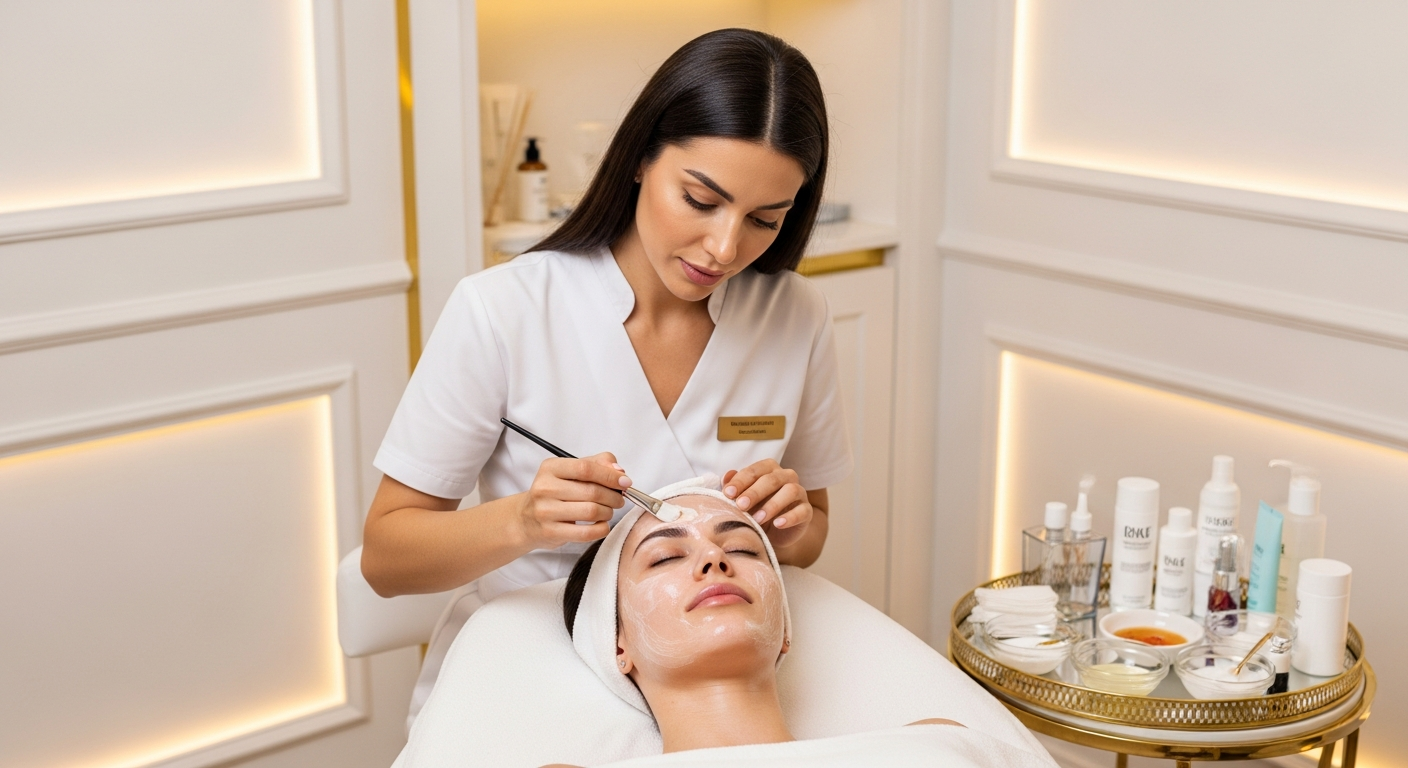
Chemical peels are one of the most time-tested, evidence-based, and versatile tools in a dermatologist's arsenal. From addressing acne and oily skin to fading pigmentation, reversing sun damage, and improving the appearance of scars — the right peel, applied by a qualified skin specialist in Chandigarh, can deliver transformative results with surprisingly minimal downtime.
Yet chemical peels are widely misunderstood. Many people fear them ("Won't they burn my face?") or underestimate them ("Isn't this just what beauty parlours do?"). The truth lies in between. This comprehensive guide by Dr. Sukhmani Brar Jugpal, MD Dermatology at Dermessence Clinic, Chandigarh will demystify chemical peels completely.
What is a Chemical Peel?
A chemical peel involves applying a carefully selected chemical solution to the skin surface — causing controlled exfoliation of the outer skin layers. As the treated skin peels away (over 3–7 days depending on the peel depth), it is replaced by new skin that is smoother, more even-toned, less scarred, and more radiant.
The key word is controlled. A professional chemical peel is not the same as an over-the-counter exfoliator. The concentration, pH, timing, and combination of acids used by a trained dermatologist create a specific depth of controlled skin renewal — something that cannot be replicated safely at home or in a beauty parlour.
The Science of Skin Peeling
All chemical peels work by disrupting the bonds between skin cells (desmosomes) — causing the outermost layer of dead and damaged skin cells to slough off. Depending on the depth:
- Superficial peels — affect only the epidermis (outermost layer). Minimal downtime (1–2 days of mild flaking).
- Medium peels — penetrate to the papillary dermis. 4–7 days of visible peeling and temporary redness.
- Deep peels — reach the reticular dermis. Significant downtime (10–14 days). Reserved for severe scarring, deep wrinkles. Not commonly used on Indian skin due to pigmentation risks.
Types of Chemical Peels Available in Chandigarh
1. Glycolic Acid Peel (Alpha Hydroxy Acid)
The most commonly used peel — derived from sugarcane. Available at 20%, 30%, 50%, and 70% concentrations.
Best for: Sun damage, dullness, mild pigmentation, fine lines, uneven texture, anti-ageing maintenance.
How it works: Dissolves the "glue" between dead skin cells, promoting faster cell turnover. Increases collagen synthesis at higher concentrations.
Downtime: Minimal — mild redness for 24 hours, very subtle peeling over 2–3 days.
Sessions: 4–6, every 3–4 weeks.
Cost at Dermessence: ₹1,500–₹3,000 per session.
2. Salicylic Acid Peel (Beta Hydroxy Acid)
The gold standard for oily, acne-prone skin. Unlike glycolic acid (which is water-soluble), salicylic acid is oil-soluble — meaning it penetrates deep into oily pores to clear congestion from within.
Best for: Active acne, blackheads, whiteheads, oily skin, enlarged pores, acne-prone skin with pigmentation.
Downtime: Very minimal — skin may look matte/dry for 1–2 days. Fine peeling in 3–5 days.
Sessions: 4–6, every 2–3 weeks.
Cost at Dermessence: ₹1,500–₹2,500 per session.
3. Mandelic Acid Peel
A larger-molecule AHA derived from bitter almonds — penetrates skin more slowly, making it gentler and safer for darker Indian skin types (Fitzpatrick IV–VI). Particularly good for patients who have had reactions to stronger peels.
Best for: Sensitive skin, darker skin tones with acne + pigmentation, post-inflammatory hyperpigmentation, rosacea.
Sessions: 4–8, every 2 weeks.
Cost: ₹2,000–₹3,500 per session.
4. Lactic Acid Peel
A milk-derived AHA that is gentler than glycolic. Has additional humectant (moisture-attracting) properties making it ideal for dehydrated, dull skin.
Best for: Dry/dehydrated skin, mild pigmentation, first-time peel patients, pregnancy-safe maintenance (in low concentrations).
Cost: ₹1,500–₹2,500 per session.
5. Kojic Acid Peel
Specifically targets tyrosinase — the enzyme responsible for melanin production. Often combined with glycolic acid for enhanced depigmentation effect.
Best for: Melasma, sun spots, overall brightening.
Cost: ₹2,000–₹4,000 per session.
6. Azelaic Acid Peel
Multi-functional peel — anti-inflammatory, antibacterial, and melanin-suppressing. Excellent for patients with both acne and pigmentation (very common in Chandigarh's PCOS population).
Best for: PCOS acne with PIH, rosacea with pigmentation, sensitive skin.
7. TCA Peel (Trichloroacetic Acid)
Medium-depth peel available at 10–35% concentration. More powerful than AHA peels — can address deeper pigmentation, moderate acne scars, and fine lines.
Best for: Stubborn melasma, acne scars, moderate sun damage, skin rejuvenation.
Downtime: 5–7 days of peeling, significant redness. Requires strict sun avoidance.
Important: TCA peels carry a higher risk of PIH in darker skin — at Dermessence, we use modified lower concentrations and pre-treat skin to minimise this risk.
Cost: ₹3,000–₹8,000 per session.
8. Jessner's Peel
A combination peel — lactic acid + salicylic acid + resorcinol. The combination creates a synergistic effect stronger than any single acid. Often used as a primer before TCA application.
Best for: Resistant acne, mixed pigmentation + texture concerns.
9. Yellow Peel (Retinol Peel)
A specially formulated retinoid peel that penetrates deeply without the typical skin frosting of TCA peels. Excellent for anti-ageing, fine lines, and overall skin quality improvement.
Best for: Anti-ageing, first-time medium-depth peel patients, melasma maintenance.
Cost: ₹4,000–₹8,000 per session.
Which Chemical Peel is Right for Your Skin Concern?
| Skin Concern | Recommended Peel |
|---|---|
| Active Acne & Oily Skin | Salicylic Acid 20–30% |
| Pigmentation / Melasma | Glycolic + Kojic / Mandelic |
| Dullness / Anti-ageing | Glycolic Acid / Yellow Peel |
| Acne Scars (Mild-Mod) | TCA 15–25% / Jessner's |
| Sensitive / Dark Skin | Mandelic Acid / Lactic Acid |
| PCOS: Acne + PIH | Azelaic Acid / Mandelic |
| Dry/Dehydrated Skin | Lactic Acid |
| Sun Damage / Freckles | Glycolic + Kojic combination |
Benefits of Chemical Peels — What to Expect
- Improved skin texture: Visible smoothing after just 1–2 sessions
- Brighter, more radiant complexion: Dead skin removal reveals fresh glowing skin
- Reduced pigmentation: Dark spots and uneven tone lighten progressively
- Acne control: Pores unclogged, bacteria reduced, active breakouts diminish
- Collagen stimulation: Medium and deep peels trigger new collagen — reducing fine lines and improving firmness
- Enhanced product absorption: Topical creams and serums penetrate much more effectively after peels
Chemical Peel Procedure at Dermessence
- Consultation: Dr. Sukhmani evaluates your skin type, concern severity, and selects the appropriate peel type and concentration
- Pre-peel prep: Skin is cleansed, degreased with acetone/alcohol, and prepared
- Peel application: The chemical solution is applied evenly, monitored for frosting/tingling
- Neutralisation: Superficial and some medium peels are neutralised with baking soda solution; others self-neutralise
- Post-peel care: Soothing mask + moisturiser + SPF applied before you leave
- Written aftercare instructions provided for home care over the next 5–7 days
Pre-Peel Instructions
- Avoid sun exposure for 1–2 weeks before treatment
- Stop retinoids (tretinoin, retinol) 5–7 days before
- Pre-treat skin with glycolic acid cleanser or prescribed priming cream for 2 weeks (improves results and reduces risk)
- Inform us if you are on antibiotics, acne medications, or blood thinners
- No waxing or threading 48 hours before facial peels
Post-Peel Care (Critical!)
- Do not pick or peel the skin manually — this causes scarring and PIH
- Apply prescribed healing cream 2–3 times a day for 5–7 days
- Sunscreen SPF 50 religiously — peeled skin is highly photosensitive
- No gym or sauna for 48–72 hours
- No hot water on face — use lukewarm or cool water
- Resume active skincare (retinoids, AHAs) only after 7 days, with doctor guidance
Combining Peels with Other Treatments
At Dermessence, chemical peels are often combined with other modalities for enhanced results:
- Peel + Laser Toning: Combination dramatically accelerates pigmentation clearance (peel removes surface pigment; laser breaks up deeper melanin)
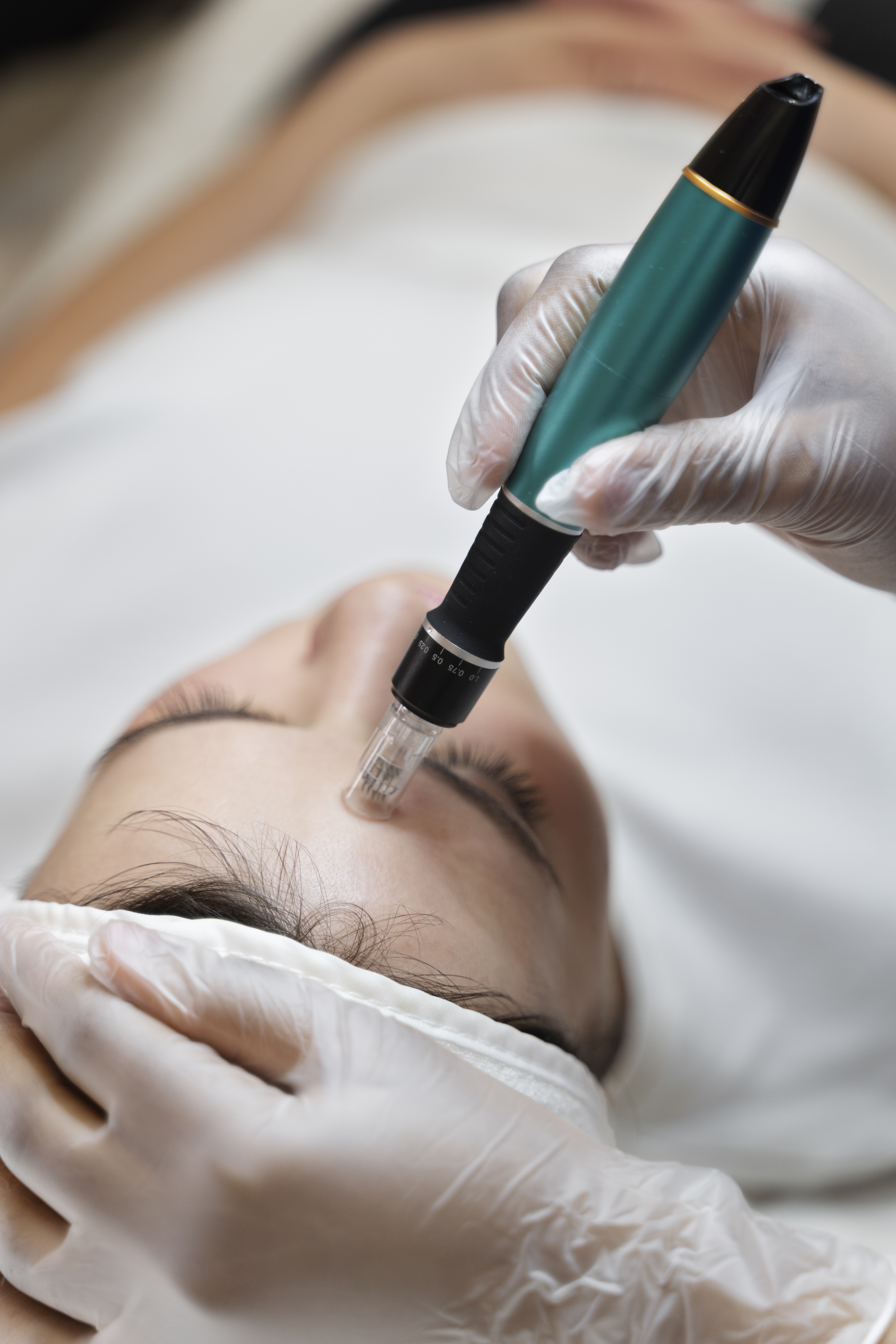
- Peel + Microneedling: Peel for surface texture, microneedling for deeper scar remodelling
- Peel + Topical Prescription: Home retinoids and niacinamide between peel sessions maintain and extend results
- Peel + Medi Facial: Gentler peels incorporated into medi-facial protocols for monthly maintenance
Are Chemical Peels Safe During Pregnancy?
Most chemical peels are avoided in pregnancy. Exceptions: lactic acid (low concentration) and azelaic acid are generally considered safe. Always inform your dermatologist of pregnancy or breastfeeding before any treatment.
Related Articles:
→ Chemical Peel Treatment Chandigarh
→ Acne Treatment Complete Guide
→ Pigmentation & Dark Spots Guide
→ Medi Facial Chandigarh
Book a Consultation Today
Get expert dermatology care at Chandigarh's most-trusted skin clinic.
📞 +91-99159-30506