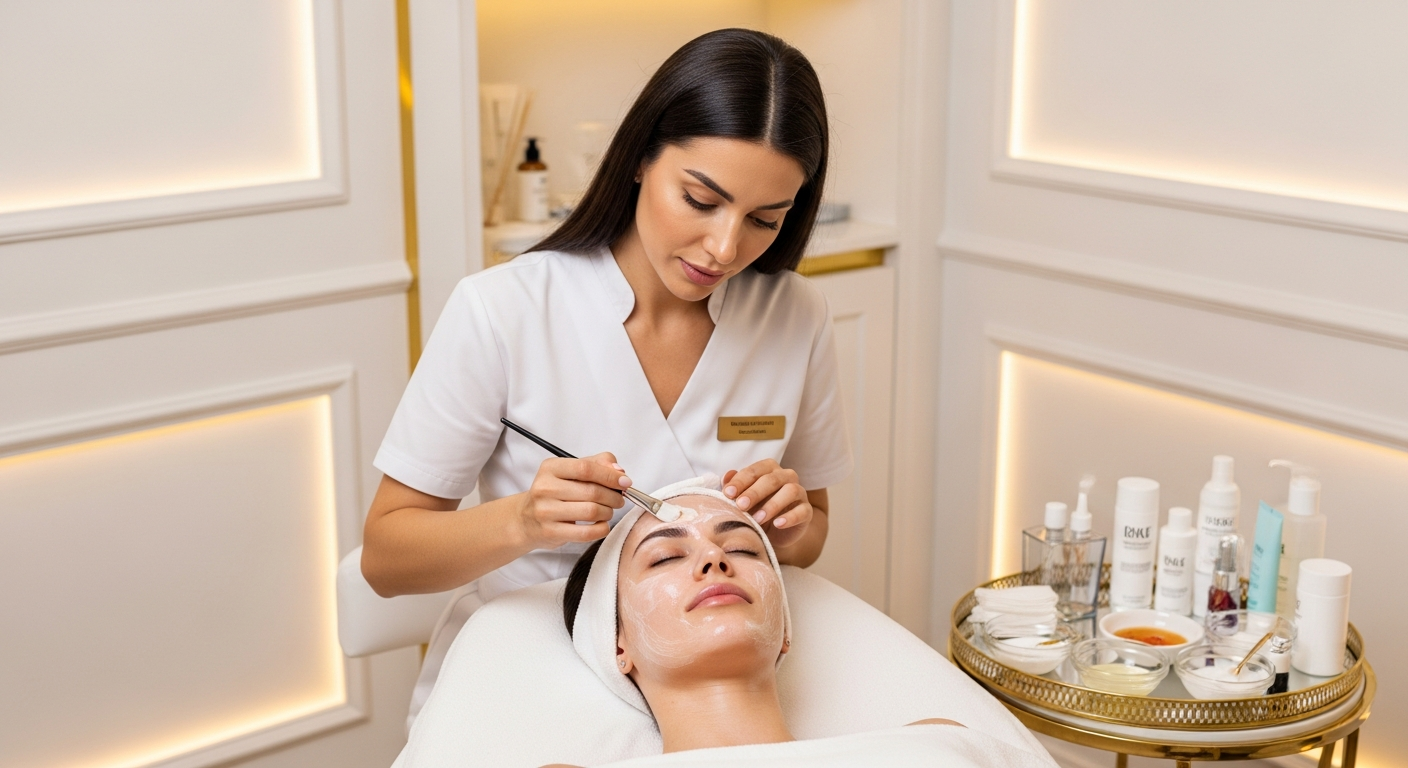
Hormonal acne is one of the most frustrating skin conditions affecting women in Chandigarh — because it doesn't respond well to standard acne treatments, persists well into adulthood, and is deeply tied to underlying health conditions that many women don't even know they have. If you're a woman in your 20s, 30s, or 40s who gets persistent breakouts around the jawline and chin that worsen before your period — this guide is written specifically for you.
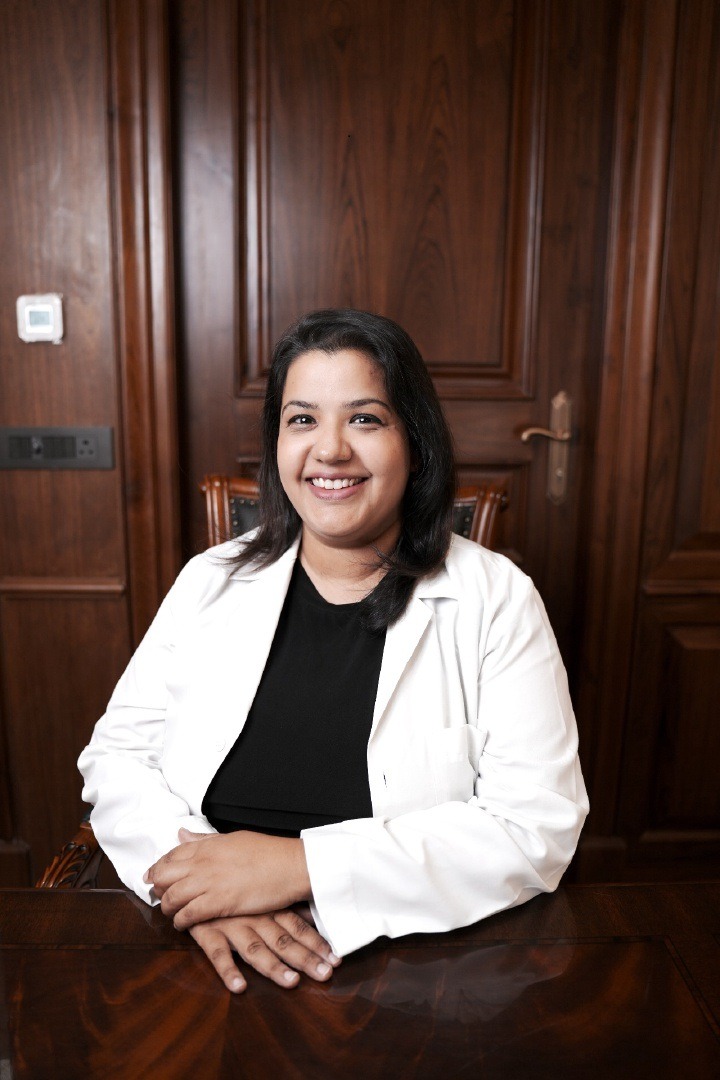
This expert guide by Dr. Sukhmani Brar Jugpal, MD Dermatology at Dermessence Clinic, Sector 16D Chandigarh covers the complete picture of hormonal acne — its causes, the PCOS connection, and all treatment options available in Chandigarh in 2026.
What is Hormonal Acne?
Hormonal acne is acne that is primarily driven by hormonal fluctuations — specifically androgens (male hormones including testosterone and DHEA-S that all women produce in small amounts). Androgens stimulate sebaceous glands to produce more sebum, which combined with abnormal skin cell shedding, creates the blocked pores that lead to acne.
Key characteristics that distinguish hormonal acne from other acne types:
- Location: Primarily jawline, chin, and lower cheeks — the "U-zone" or hormonal zone. Can also affect neck and chest.
- Pattern: Cyclical — worsens in the 7–10 days before menstruation (luteal phase when progesterone is high and skin is more prone to inflammation)
- Type: Deep, cystic, painful nodules rather than surface blackheads
- Age: Affects adult women — 15% of women over 25 have persistent adult acne, predominantly hormonal
- Response to standard treatment: Poor response to typical acne creams and antibiotics alone — because the driver is internal (hormonal), not purely bacterial
The Hormonal Drivers of Acne in Women
1. Androgens
All women produce androgens (testosterone, DHEA-S, androstenedione) from the ovaries and adrenal glands. When androgen levels are elevated — or when sebaceous glands are hypersensitive to normal androgen levels — excess sebum production occurs, triggering acne.
2. PCOS (Polycystic Ovarian Syndrome)
PCOS is the most common endocrine disorder in reproductive-age women — affecting an estimated 15–20% of urban Indian women. It involves:
- Elevated androgens (testosterone, DHEA-S)
- Insulin resistance
- Irregular or absent periods
- Multiple small follicles on the ovaries (on ultrasound)
The combination of high androgens + insulin resistance (which further elevates androgens through IGF-1 pathway) creates the perfect hormonal storm for severe, persistent acne — often alongside increased facial/body hair (hirsutism) and scalp hair loss. If your acne is accompanied by irregular periods, weight gain, or excess body hair, PCOS evaluation is essential.
3. Menstrual Cycle Fluctuations
Even in women without PCOS, the normal hormonal fluctuations of the menstrual cycle drive cyclical acne. In the luteal phase (after ovulation, before period):
- Progesterone peaks — increases sebum production and inflammation
- Testosterone peaks relative to oestrogen — androgenic stimulation of sebaceous glands
- Fluid retention increases → skin becomes slightly puffy, making pores appear larger
4. Insulin Resistance
Even without full PCOS, insulin resistance (common in women with sedentary lifestyles, high-carb diets, or overweight) elevates IGF-1 (Insulin-like Growth Factor-1) — which directly stimulates sebaceous glands. This is why diet modification is part of hormonal acne treatment.
5. Perimenopause
Women in their 40s approaching menopause experience a relative excess of androgens as oestrogen declines more rapidly than testosterone — leading to new or worsening acne that puzzles patients who never had significant acne in their youth.
6. Stopping Oral Contraceptive Pills (OCP)
Many women use OCP partly for its anti-androgenic, acne-controlling effect. Stopping OCP causes a rebound surge of androgens — triggering severe post-pill acne that can be extremely distressing. This typically peaks 3–6 months after stopping OCP and eventually settles.
7. Stress
Stress increases cortisol → which stimulates adrenal androgen production → which worsens hormonal acne. This is why acne worsens around exam periods, major life stresses, and in high-pressure professions common in Chandigarh (doctors, engineers, students).
Diagnosing Hormonal Acne: What Tests Does a Dermatologist Order?
At Dermessence, we conduct a thorough hormonal evaluation for women presenting with adult acne:
Clinical Assessment
- Acne pattern, severity, and cycle correlation
- Menstrual history — regularity, flow, pain, PMS symptoms
- Signs of hyperandrogenism: hirsutism, scalp hair loss, acanthosis nigricans (dark skin on neck/armpits)
- Body weight and BMI
- Medication history (OCP, steroids, supplements)
Blood Tests
- Total Testosterone + Free Testosterone
- DHEA-S (Dehydroepiandrosterone sulphate)
- LH:FSH ratio (elevated in PCOS)
- Fasting insulin + glucose (insulin resistance markers)
- Thyroid profile (TSH, T3, T4) — thyroid dysfunction mimics PCOS
- Prolactin (elevated prolactin causes acne + menstrual irregularity)
- AMH (Anti-Müllerian Hormone) — PCOS marker
Pelvic Ultrasound
To visualise ovarian morphology and rule out polycystic ovaries. Coordinated with gynaecology if PCOS is suspected.
Treatment of Hormonal Acne: The Dermessence Protocol
1. Standard Dermatological Topicals (Foundation)
Even for hormonal acne, topical prescription treatment forms the base:
- Retinoids (adapalene or tretinoin) — normalise skin cell turnover
- Azelaic acid — anti-inflammatory, anti-bacterial, melanin-suppressing (addresses post-acne PIH simultaneously)
- Benzoyl peroxide — prevent antibiotic resistance
2. Spironolactone (Anti-Androgen)
The most important hormonal acne treatment in women. Spironolactone is an aldosterone antagonist with potent anti-androgenic properties — it blocks androgen receptors in sebaceous glands, dramatically reducing sebum production.
- Dose: 50–200mg daily
- Excellent safety profile for women
- Results: Visible improvement in 3–6 months
- Side effects: Breast tenderness, mild diuretic effect, irregular periods (sometimes used with OCP)
- Cannot be used in pregnancy
3. Combined Oral Contraceptive Pill (OCP)
OCPs containing anti-androgenic progestins (cyproterone acetate, drospirenone, dienogest) reduce free testosterone and suppress sebum production. Prescribed in combination with gynaecologist for PCOS management and hormonal acne control.
- Highly effective for cyclical, pre-menstrual acne
- Also helps regularise periods and manage PCOS symptoms
- Results in 3–6 months of consistent use
4. Metformin (For Insulin-Resistant PCOS Acne)
For women with PCOS and demonstrated insulin resistance, metformin reduces insulin levels → reduces IGF-1 → reduces androgen stimulation of sebaceous glands. Also helps with weight management and restoring regular periods.
5. Chemical Peels
Salicylic acid and mandelic acid peels are particularly valuable for hormonal acne — controlling active breakouts and addressing the PIH (dark marks) that hormonal cystic acne commonly leaves. Monthly peels are standard in our hormonal acne protocol.
6. Intralesional Injections
For acute, painful cystic nodules around the period — intralesional corticosteroid injection directly into the cyst reduces it within 24–48 hours, preventing the scarring that comes from aggressive squeezing or prolonged inflammation.
7. Blue Light Therapy
Blue light (415nm) selectively kills C. acnes bacteria. Particularly useful for hormonally driven inflammatory acne when antibiotics are not desired or have failed. No downtime.
Diet and Lifestyle for Hormonal Acne
Foods to Reduce
- High GI foods: White bread, rice, sugar, processed foods → spike insulin → elevate androgens. The most impactful dietary change for hormonal acne.
- Dairy: Milk and whey protein increase IGF-1. A low-dairy trial for 6–8 weeks is worth attempting in women with hormonal acne.
- Refined carbohydrates
- Vegetable oils rich in Omega-6 (inflammatory)
Foods to Add
- Low-GI whole grains: oats, brown rice, millets — stabilise insulin
- Spearmint tea — a cup daily has been shown in studies to reduce androgen levels
- Zinc-rich foods: lentils, seeds, legumes — reduces androgen receptor activity
- Omega-3 fatty acids: walnuts, flaxseeds — reduce inflammation
- Inositol (supplement): 2–4g daily — improves insulin sensitivity in PCOS, reduces androgens
- Vitamin D: deficiency worsens PCOS and acne. Supplement if blood tests confirm deficiency.
Hormonal Acne vs Regular Acne: Quick Reference
| Feature | Hormonal Acne | Regular Acne |
|---|---|---|
| Location | Jawline, chin, lower cheeks | T-zone (forehead, nose) |
| Type | Deep cysts and nodules | Blackheads, whiteheads, pimples |
| Pattern | Cyclical (worse before period) | Continuous/non-cyclical |
| Age | Adults — 25+ | Often teens and young adults |
| Response to antibiotics | Poor if hormones not addressed | Often responds well |
| Investigation needed | Hormonal blood tests + ultrasound | Usually clinical diagnosis |
Related Articles:
→ Hormonal Acne Treatment Chandigarh
→ Complete Acne Treatment Guide
→ Acne Specialist Chandigarh
→ Oily Skin Care Guide
Book a Consultation Today
Get expert dermatology care at Chandigarh's most-trusted skin clinic.
📞 +91-99159-30506